
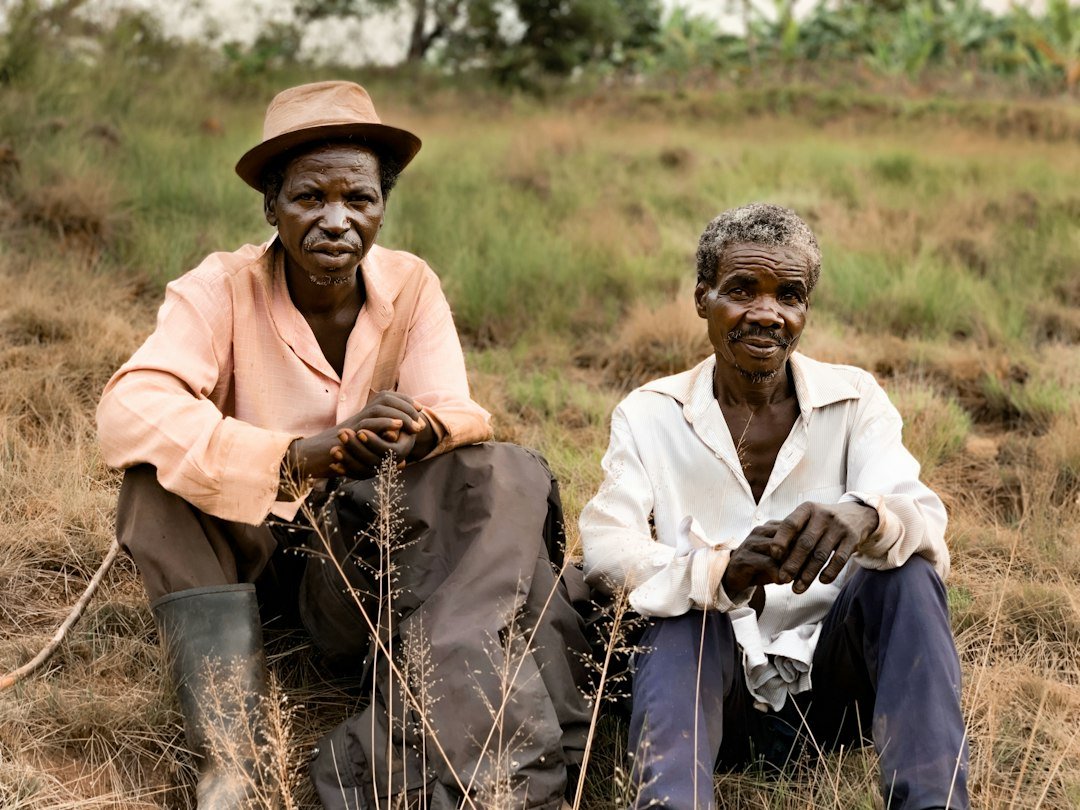
Farmers in Rwanda’s Muhanga district say skills gained through a government agricultural project have let them raise output, savings and cooperative strength well beyond earlier seasons, Top Africa News reported on 30 October 2026. The training drew on the second phase of the Sustainable Agricultural Intensification and Food Security Project, known as SAIP II, which ran for three years across the district.
Four cooperatives took part: Tuzamurane Cyeza, Kora Ubeho Cyeza, Kotubusindi and Coiabndi. Beatha Mukarushema, a member and secretary of the Terimbere Mutegarugori group within Tuzamurane Cyeza, said members now make their own organic fertiliser. That lets them prepare fields and plant on schedule rather than waiting on purchased inputs that are not always available when needed.
Vegetable output nearly doubled, then doubled again
Tuzamurane Cyeza’s reported vegetable output rose from 23 tonnes to 123 tonnes in an earlier phase of the project, then climbed again to 480 tonnes. The cooperative also recently supplied 203 tonnes of maize. Its organic manure production grew from 78 tonnes a year to 483 tonnes, with SAIP II helping the group find a buyer for the surplus fertiliser rather than letting it go to waste.

At Coiabndi, president Vedaste Mabano grows Irish potatoes in rotation with maize and beans across a membership of about 160 farmers, including roughly 90 men, 60 women and 40 young people. The cooperative holds savings of about six million Rwandan francs, around $4,200, roughly £3,400. SAIP II contributed 65 million francs, about $45,500 or £37,000, toward a new potato storage facility. Members added a further 7.2 million francs themselves to help complete it. The finished facility is now valued at more than 72 million francs, about $50,400 or £41,300.
Equipment and financial discipline
Financial management training helped Coiabndi recover funds that had previously gone missing, Mabano said. The cooperative is now exploring loans from financial institutions rather than relying solely on member savings and project grants to fund its operations. “SAIP has been a good partner,” he said.
Beyond cash and crops, SAIP II distributed farm equipment across the four cooperatives, including 517 hoes, 440 sprayers, 328 watering cans, 303 sickles, 272 water pumps and 139 wheelbarrows, along with seeds, organic manure and lime. Bizimana Eric, Muhanga’s vice mayor for economic development, urged farmers to keep applying their fertiliser training. He also asked them to maintain the project’s equipment and infrastructure, including maize-drying and post-harvest facilities, once outside support tapers off in the coming seasons. “These facilities belong to you,” he told farmers at the closing sessions.
The Muhanga results echo a pattern seen in donor-backed cooperative projects across East Africa. Output gains tend to hold only if farmers absorb the underlying skills, financial management chief among them, rather than depending indefinitely on project funding that will eventually end. Local officials say the next test for Tuzamurane Cyeza, Coiabndi and the other two cooperatives will be sustaining this season’s gains once SAIP II’s direct support ends. Ordinary market conditions, rather than project incentives, will then start setting the pace for all four groups.
Rwanda’s agriculture ministry has used SAIP’s two phases as a template for similar cooperative-strengthening work in other districts, betting that the combination of equipment, training and market-linkage support can be replicated beyond Muhanga. Whether that model scales nationally will depend on whether other districts can match the financial discipline that cooperatives such as Coiabndi say took real effort to build. Donor partners involved in SAIP II have indicated they will track Muhanga’s results over the coming year as a benchmark for similar cooperative investments elsewhere in the country.


