
About 19.9% of Africa’s land and 17.2% of its marine area were under protection as of October, according to tracking by Skytruth, leaving the continent well short of the global “30×30” target of protecting 30% of land and sea by 2030. Conservationists writing for Mongabay in late October argued that the shortfall matters less than how the next stretch of protected area is designed, and for whom.
Ian Marnewick, whose comments anchor the Mongabay analysis, argued that protected-area figures should be judged by the credibility and effectiveness of the systems behind them rather than treated as a simple percentage to chase, and that conservation planning needs to be done with the people who will go on living alongside its consequences, not around them. The piece points to Ghana’s 2022 decision to ease mining approvals inside biodiverse areas, a law not reversed until 2025, as an example of how government priorities can pull in the opposite direction from conservation commitments even after they are made.
The analysis singles out a Cameroon project that offers farming and fishing support to communities in exchange for reduced bushmeat hunting as a model for aligning livelihoods with conservation goals, arguing that “fences and fines” approaches which simply restrict access tend to hurt communities that depend on forests or fisheries for food and income without necessarily protecting the resource any better.

Corridors and flexible protection, not just reserves
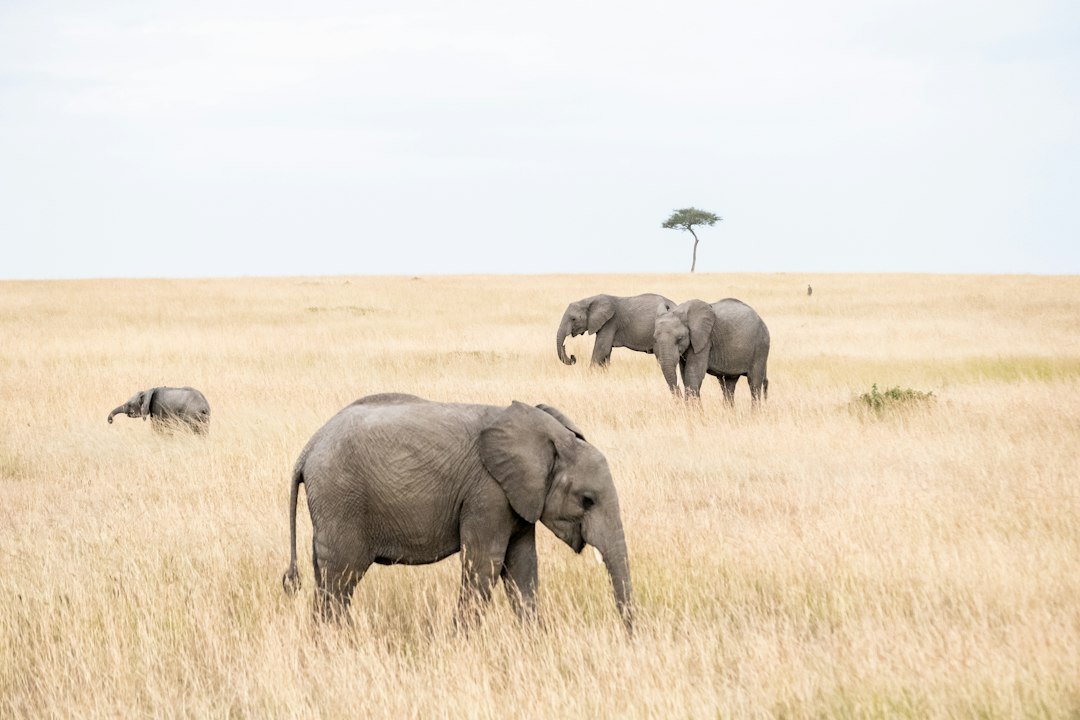
A wildlife corridor in Namibia’s Sobbe area, which supports elephant movement within the larger Kavango-Zambezi Transfrontier Conservation Area spanning five southern African countries, is highlighted as an example of landscape-scale planning that extends protection beyond the boundaries of a single park. The analysis also points to other effective area-based conservation measures, a category that can recognise conservation value outside formally designated protected areas, such as Namibia’s NamibRand Nature Reserve, as a more flexible tool than creating new reserves from scratch.
A model from Tanzania’s coast
Marine protected areas around Pemba, off Tanzania’s coast, are cited as a working example of the community-anchored approach the analysis recommends, though specific figures for fish stock or livelihood outcomes at Pemba were not given in the reporting. Taken together, the examples suggest a shift in how African conservation planners are framing the 2030 deadline: less as a single coverage number to be hit however it is achieved, and more as a set of local arrangements that have to hold up on their own terms once the funding attention around a global target inevitably moves elsewhere.
With roughly four years left before the 2030 deadline and coverage still ten percentage points short of the land target, the gap is unlikely to close through new protected areas alone. Whether Africa’s conservation planners can scale up the kind of locally negotiated, livelihood-linked models described in the Mongabay analysis, rather than defaulting to boundary-drawing exercises that communities later resist or ignore, may do more to determine the outcome than the raw hectare count most 30×30 scorecards currently track.
Outside Africa, a smaller-scale example of the same logic is playing out in the Philippines, where mangroves replanted along the Bataan coast have been credited with both flood protection and doubled fish catches, illustrating how community-anchored restoration can deliver livelihood gains alongside ecological ones.


