
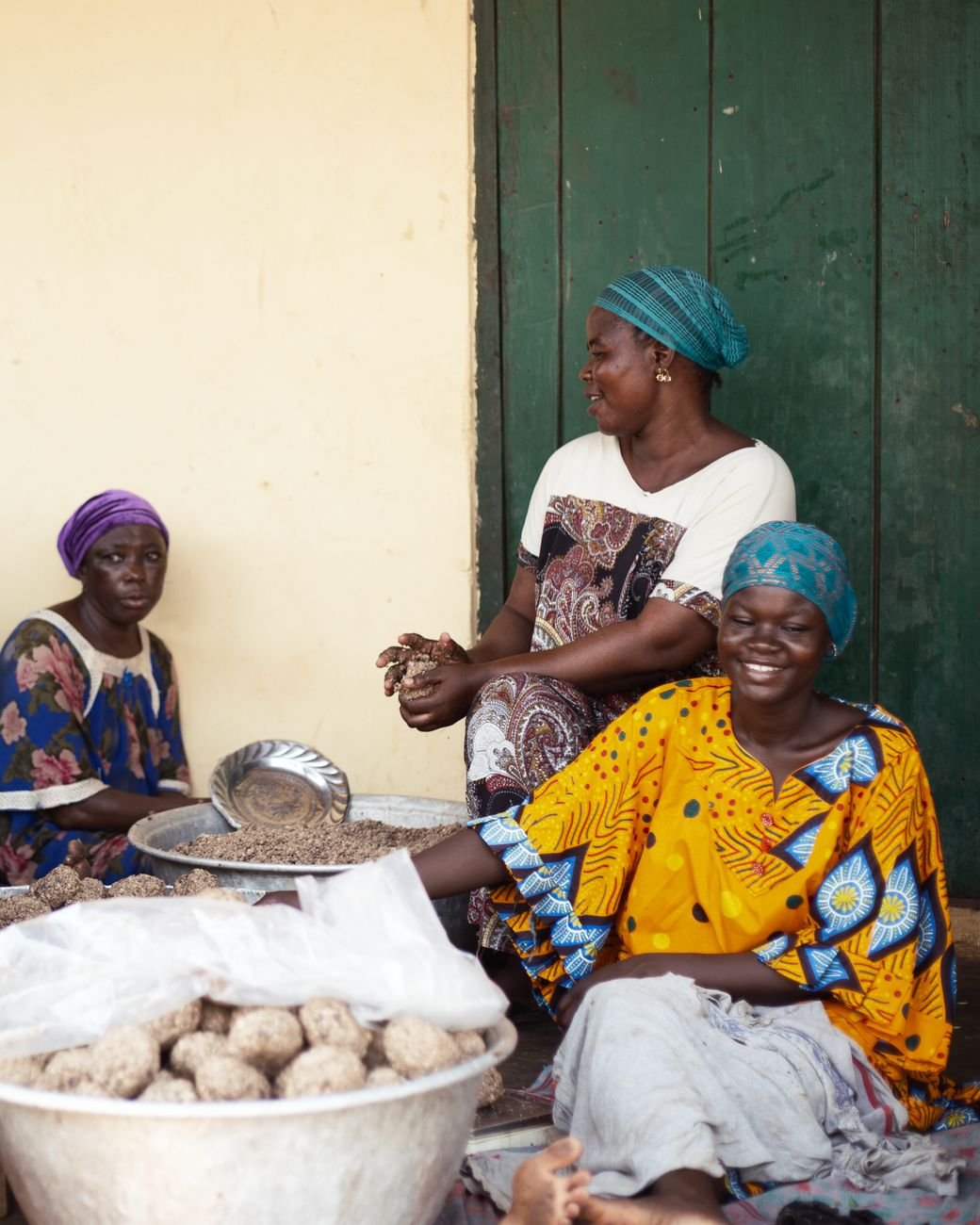
Ghanaian agritech company Vitara, formerly known as Sommalife, has raised EUR1.8m in its first equity funding round. The investment was worth about $2m or £1.5m. It was backed by a consortium led by the EU-funded AgriFI facility, impact investor Acumen, and a group of angel investors.
The deal marks the first direct equity investment made through the AgriFI Ghana Country Window. The window is a EUR10m mechanism managed by EDFI Management Company, and it targets smallholder inclusiveness across five regions of northern Ghana. Its focus areas include shea, soy, vegetables and beekeeping.
A digital platform built around shea traceability
Vitara runs TreeSyt, a digital platform that profiles individual farmers, manages commodity purchases and delivers training. The platform also monitors trees, generating the kind of supply-chain data that international manufacturers increasingly require before they will buy raw shea. By aggregating shea directly from farming communities, the company aims to cut out intermediaries. This lets producers capture a larger share of the price paid by buyers further down the chain.

Shea is a natural fat extracted from the nuts of the Vitellaria paradoxa tree. It feeds into cocoa butter equivalents, cosmetics and pharmaceuticals, with the global market projected to exceed $3bn by 2030. That points to strong anticipated demand for the ingredient in the years ahead. Ghana produces between 130,000 and 150,000 tonnes of shea nuts a year. More than a million women and young people work across its value chain, which has long struggled with limited finance and weak market infrastructure.
Vitara’s own figures put 91% of its farmer network as women, with roughly 47,000 women farmers engaged in the most recent shea season. In other words, nearly all of the farmers signed up to the platform are women. By late 2025, TreeSyt had registered 150,000 farmers in total, of whom about 40,000 were actively taking part in sourcing programmes. That means roughly a quarter of registered farmers were actively engaged in sourcing at the time. The company says fairer pricing and payment terms delivered through the platform have lifted recorded farmer incomes by 20%. A partnership with telecoms operator MTN Ghana now lets it pay farmers with limited internet access through mobile money.
Independent data point to real income gains
Separate figures from the Rabo Foundation, a prior partner of Vitara, found that the company supported 13,450 women during the 2024-25 shea season. Average incomes among those women rose 92% to GHS 3,800, roughly EUR298, over that period. That is a near-doubling of earnings within a single season. Vitara also reports conservation agreements covering 59 communities. It says it has helped protect more than 1,500 acres of shea parkland. This parkland is the wooded savannah where the trees grow wild, rather than on plantations.
Ilona Gruenewald manages agriculture and energy programmes for the EU Delegation to Ghana. She said the investment showed how Ghanaian businesses could strengthen agricultural value chains while supporting natural resource management. Rodrigo Madrazo, chief executive of EDFI Management Company, called Vitara “a commercially strong model with clear benefits for smallholder producers, particularly women”. Chris Maranga, Acumen’s Africa director, said women who harvest and process Ghana’s shea have historically been “shut out of reliable markets”. He added that Vitara is “opening the door to higher, more stable incomes”.
Mawuse Gyisun, Vitara’s co-founder and chief operating officer, said the new funding would let the company deepen its work with women producers. Gyisun added that Vitara is pursuing a longer-term target of reaching one million farmers by 2030. That target would represent a significant expansion from the 150,000 farmers already registered on TreeSyt. Whether that scale-up delivers consistent income gains remains to be seen. Much will depend on sustained demand from the international manufacturers whose traceability requirements made the platform necessary in the first place.
The funding round lands alongside other signs of agricultural resilience across the continent, including South Africa’s agribusiness confidence rebound this quarter, even as both sectors watch for signs of a harsher farming season ahead.



