
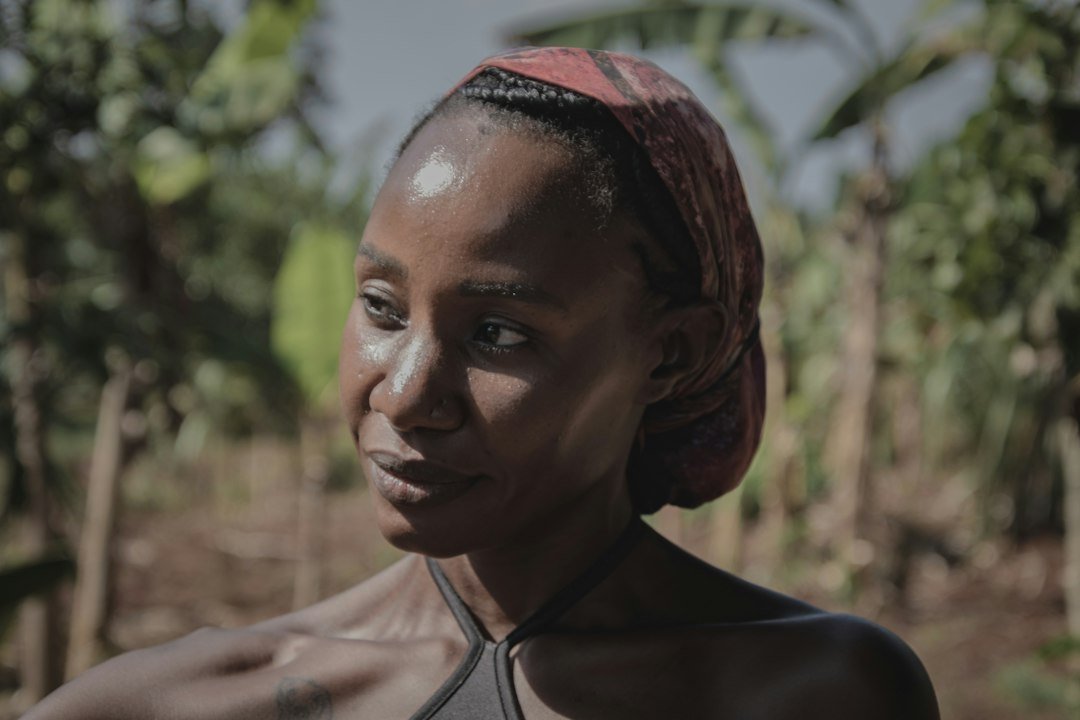
A historic first
Chisanga Leah Yondela became managing director of the Zambia Seed Company, known as ZAMSEED, effective 1 February 2026, making her the first woman to lead the company in its 50-year history. ZAMSEED has long been a central pillar of Zambia’s formal seed system, supplying certified seed for maize, soybeans, wheat and legumes to both commercial farms and smallholders across the country.
The appointment lands at a moment of unusual scrutiny for the company’s sector. In late 2025, the COMESA Competition Commission intervened over exclusive distribution arrangements tied to the SC 719 maize seed variety, which ZAMSEED and its partners produce. Those arrangements had restricted the Eswatini government’s ability to buy the seed directly; the parties involved agreed to remove the restrictive provisions following the Commission’s intervention. There is no indication the case is formally linked to Yondela’s appointment, but it illustrates the regulatory environment she now leads the company through.
A company turning 50 amid regional change
ZAMSEED’s leadership change comes as Zambia’s seed sector faces pressure from several directions at once: tighter competition scrutiny, rising investment interest, and a push toward climate-resilient varieties as rainfall patterns become less predictable across southern Africa. Regional initiatives are moving in parallel. Phase II of the Markets and Seeds Access Programme and COMESA’s continuing work to harmonise seed regulations across member states both aim to make it easier, and cheaper, for seed companies like ZAMSEED to sell across borders rather than being confined to single national markets.

That regional harmonisation push is not abstract. COMESA formally launched its Seed Information System, a digital platform intended to standardise seed trade data across the bloc, in Lusaka in August 2026, alongside a new seed labelling and certification system, both aimed at addressing the kind of fragmented, inconsistent national seed rules that have long made cross-border seed trade costly and slow.
What the appointment signals
Representation at the top of African agribusiness institutions has moved slowly. Women lead a small but growing number of seed and agricultural companies across the continent, and ZAMSEED’s choice is notable less for being unprecedented in the sector generally than for happening at one of Zambia’s most established agricultural institutions, one that has operated under male leadership for its entire half-century history until now.
The practical test of the appointment will play out over the coming planting seasons: whether ZAMSEED can navigate the regulatory scrutiny of 2025, participate credibly in the regional harmonisation agenda COMESA is driving, and keep pace with smallholder demand for climate-resilient maize and legume varieties as droughts and erratic rains become more frequent across the region. Yondela inherits a company with a long institutional track record and a seed-sector landscape that is shifting underneath it in multiple directions simultaneously.
A pattern worth watching
Zambia’s seed sector sits at the intersection of several of the forces reshaping African agriculture this year: competition enforcement, regional trade integration, and leadership change. ZAMSEED’s appointment of its first woman managing director is a single institutional decision, but it arrives in a sector where nearly every other variable, from regulation to regional trade rules to climate pressure, is also in motion. How Yondela balances those pressures over her first full planting season will likely shape perceptions of the appointment well beyond the symbolism of the milestone itself.
Related: Angola’s new seed processing plant and COMESA’s regional seed trade platform reflect the same regional push toward more resilient, better-integrated seed systems.



