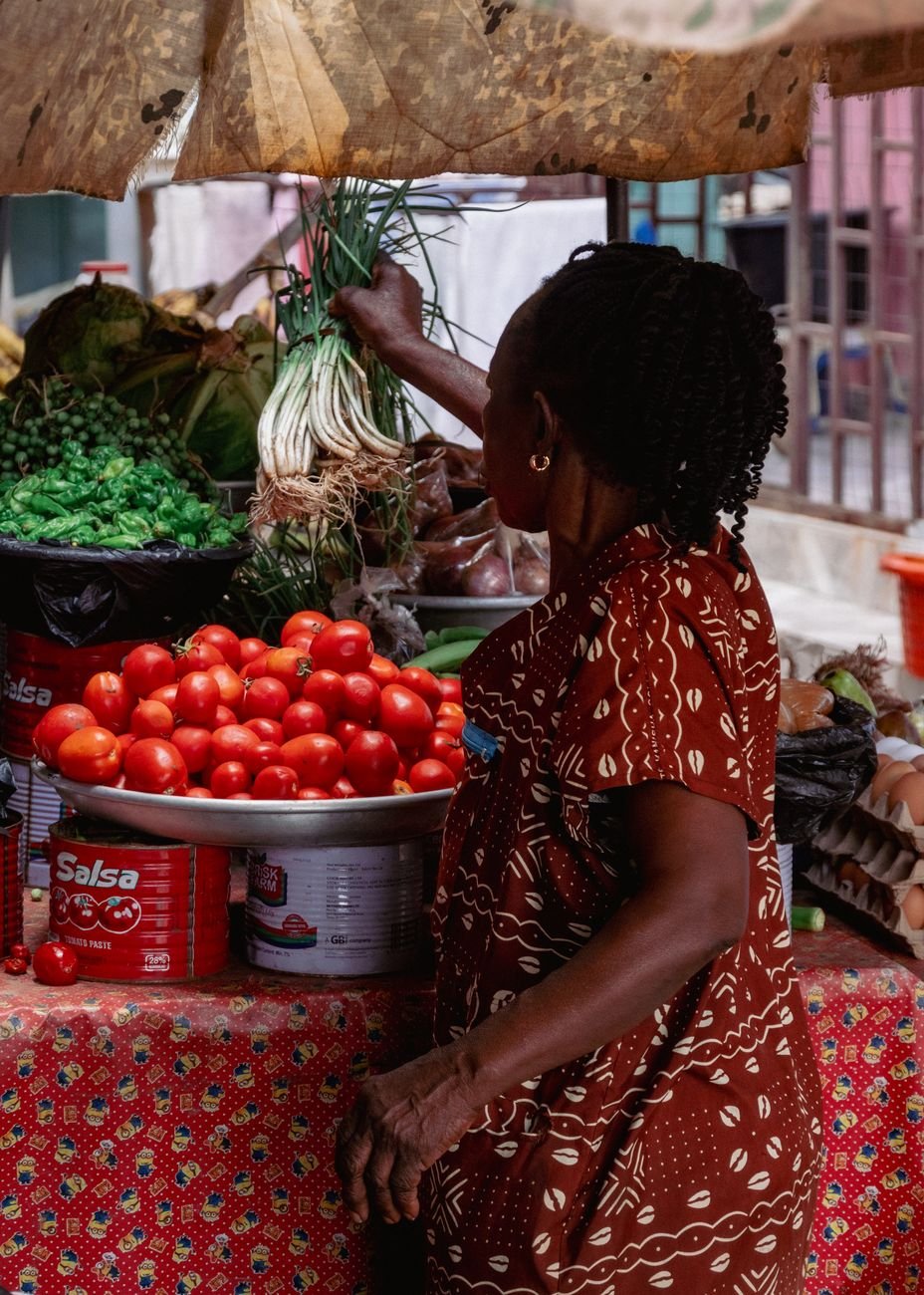
Ghana’s Ministry of Food and Agriculture launched a national horticultural seed roadmap in Accra on 17 September 2026. The document sets a three-to-five-year strategy to raise the availability of improved planting materials suited to local growing conditions, with a strong focus on vegetables rather than staple grains.
The launch event drew together government officials, seed industry representatives, research institutions and farmer organisations, alongside international partners including the Netherlands Embassy. Horticulture generates significant income for many Ghanaian smallholders, yet the subsector has historically received far less seed-sector investment than staple crops such as maize and rice. Officials at the launch pointed to that imbalance as part of the reasoning behind a dedicated roadmap rather than folding vegetable seed policy into wider grain-focused programmes.
Deputy Minister John Setor Dumelo described the roadmap as “an important step towards building a stronger and more responsive seed system.” Inge Tenniglo, representing the Netherlands Embassy, called it a move towards “laying the foundation for the future of Ghana’s horticulture sector.” The embassy was one of several international partners at the launch, alongside seed companies, research bodies and farmer groups, reflecting the mix of public and private actors the roadmap is meant to coordinate over the coming years.

Reducing reliance on imported seed
Many Ghanaian vegetable growers currently depend on imported seed, which can be expensive and inconsistent to source, particularly for crops such as tomatoes, peppers and onions grown widely across the country. The national horticultural seed roadmap prioritises local seed production, better farmer access to quality seed, and the development of crop varieties bred specifically for Ghana’s climate. Officials frame the plan as part of a broader effort to cut reliance on imported planting material and strengthen seed sovereignty across West Africa’s smallholder farming systems, rather than treating seed supply as a problem solved purely through imports.
For smallholder farmers, the stakes are practical rather than abstract. Seed cost and availability often decide whether a harvest turns a profit, particularly for perishable vegetable crops grown on tight planting schedules where a delayed shipment can mean missing an entire season. Varieties bred for local conditions could reduce losses linked to erratic rainfall and rising temperatures, both of which pose growing risks to horticultural output across the region. A more reliable domestic seed supply would also shield farmers from currency swings that can push up the price of imported seed with little warning.

A wider regional push
Ghana’s roadmap follows years of discussion about reducing the country’s dependence on imported seed and building domestic multiplication capacity. Seed companies and research institutions named in the launch are expected to play a central role in turning that ambition into varieties farmers can actually buy, rather than leaving it as policy on paper. The roadmap’s three-to-five-year horizon suggests the ministry is treating this as a sustained programme of work, not a single initiative to be judged within one planting season.
Ghana’s move mirrors a wider pattern taking shape elsewhere in Africa, where governments and researchers are rethinking how smallholder farmers reach good seed in the first place. Kenya’s experience with women farmers adopting improved seed varieties, covered separately by The Fourth Plate, underscores how seed access alone rarely closes the gap without matching support for the households actually growing the crops. Both cases point to the same underlying issue: seed systems that work well on paper often fail smallholders unless local production, distribution and household dynamics are addressed together.
With research institutions, seed companies and farmer organisations already named as partners, the coming months will show how quickly the roadmap’s ambitions move from policy into seed available to Ghana’s vegetable growers.