
The World Food Programme has received $206 million for its Sudan operations this year, down from $645 million in 2025. The funding drop, the agency says, could force it to scale back aid within weeks. WFP acting chief Carl Skau said the organisation needs at least $300 million more to sustain current operations through the rest of the year.
“Our operations are completely underfunded and there is a risk that we will have to scale back quite significantly in the next few weeks,” Skau said. The warning comes as 20 million people across Sudan face acute hunger, including 5 million at emergency levels and roughly 200,000 people in catastrophic food shortage, the most severe classification the agency tracks. Sudan’s civil war has displaced 14 million people internally since fighting began in 2023.
Rations already cut in practice
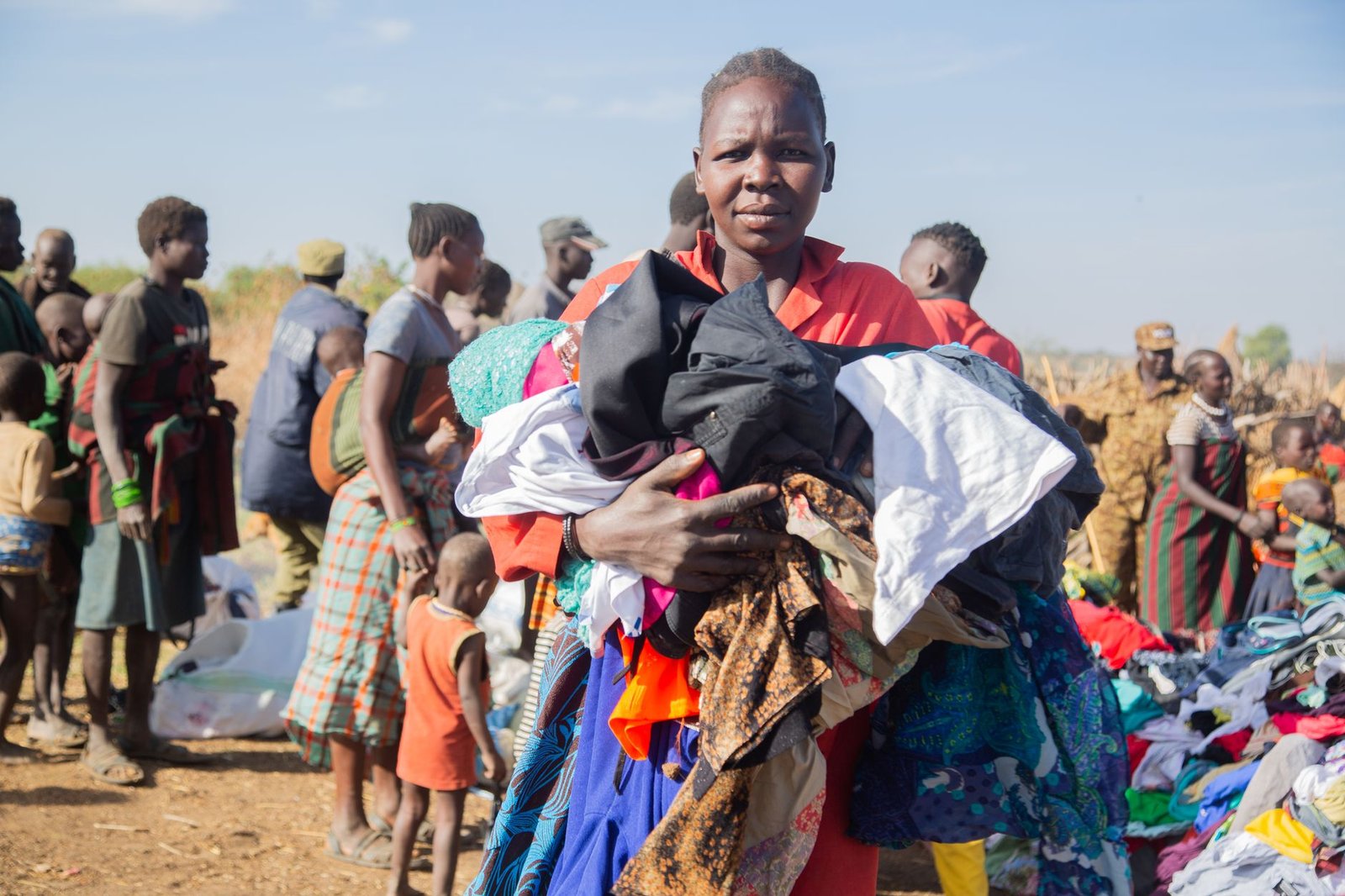
The funding shortfall is already visible on the ground. In Tawila, Darfur, where nearly a million displaced people are sheltering, WFP is providing only half-rations to roughly 950,000 people each month, well short of what the agency considers adequate. In El Fasher, an 18-month siege has reduced the population from around a million residents to tens of thousands. WFP now reaches only about 20,000 people there with life-saving food assistance, a fraction of those who need it.

Darfur is also experiencing its driest conditions since 1984 during what should be the rainy season, compounding a hunger crisis that was already driven primarily by conflict rather than weather. The combination of funding cuts, active fighting and drought has left aid workers describing Sudan as one of the hardest operating environments anywhere in the world this year.
Access remains the more fundamental constraint even where funding exists. Convoys reaching besieged areas of Darfur have to negotiate passage through active front lines. Aid workers say a shipment approved on paper can still take weeks to actually reach communities, once security clearances and road conditions are factored in. That makes the funding shortfall doubly damaging, since even the reduced amount WFP has managed to raise this year cannot always translate quickly into food on the ground in the hardest-hit areas.
A hunger crisis with parallels elsewhere in Africa
Sudan’s collapse in donor funding is not an isolated case this year. In Uganda’s Karamoja region, a separate but comparably severe hunger crisis has built up over recent months, driven there by drought rather than conflict but producing similarly stark numbers. Local officials in Karamoja have already recorded deaths linked to acute food shortages, underscoring how thin the margin has become for humanitarian agencies working across multiple African crises at once.
Aid officials warn that Sudan and Uganda are unlikely to be the only two crises competing for the same limited pot of humanitarian funding before the year ends. Whether donors respond to WFP’s specific appeal for Sudan, or spread whatever new funding materialises across several parallel emergencies, will largely determine how many of the 20 million people currently facing acute hunger there see any improvement.
For Skau and other WFP officials, the immediate priority is preventing further ration cuts rather than restoring rations to adequate levels. That itself is an acknowledgement of how far the agency’s ambitions have already been scaled back this year. A further funding shortfall would force the agency to choose between reducing the number of people it reaches and reducing how much each person receives, a decision aid workers describe as among the hardest they have had to make in Sudan’s current crisis.