Agriculture ministers from India and the Association of Southeast Asian Nations endorsed a new five-year cooperation plan at a ministerial meeting in New Delhi on 8 and 9 September 2026. The 9th ASEAN-India Ministerial Meeting on Agriculture and Forestry produced the ASEAN-India Plan of Action for Agriculture and Forestry Cooperation, covering 2026 to 2030. The agreement, central to ASEAN-India agriculture cooperation, sets out shared priorities for food security and farm resilience across South and Southeast Asia.
The meeting drew 45 delegates from the Association of Southeast Asian Nations’ 11 member states. They also took part in the 10th ASEAN-India Agriculture Working Group session held alongside the ministerial talks. ASEAN now includes 11 members after Timor-Leste joined the original ten-nation bloc, broadening the group that New Delhi is seeking to engage on agriculture. The Philippines sent its Agriculture Secretary, Francisco P. Tiu Laurel Jr., who pressed for deeper cooperation on food security between India and Southeast Asia. Malaysia’s delegation was led by its agriculture minister, Mohamad Sabu.
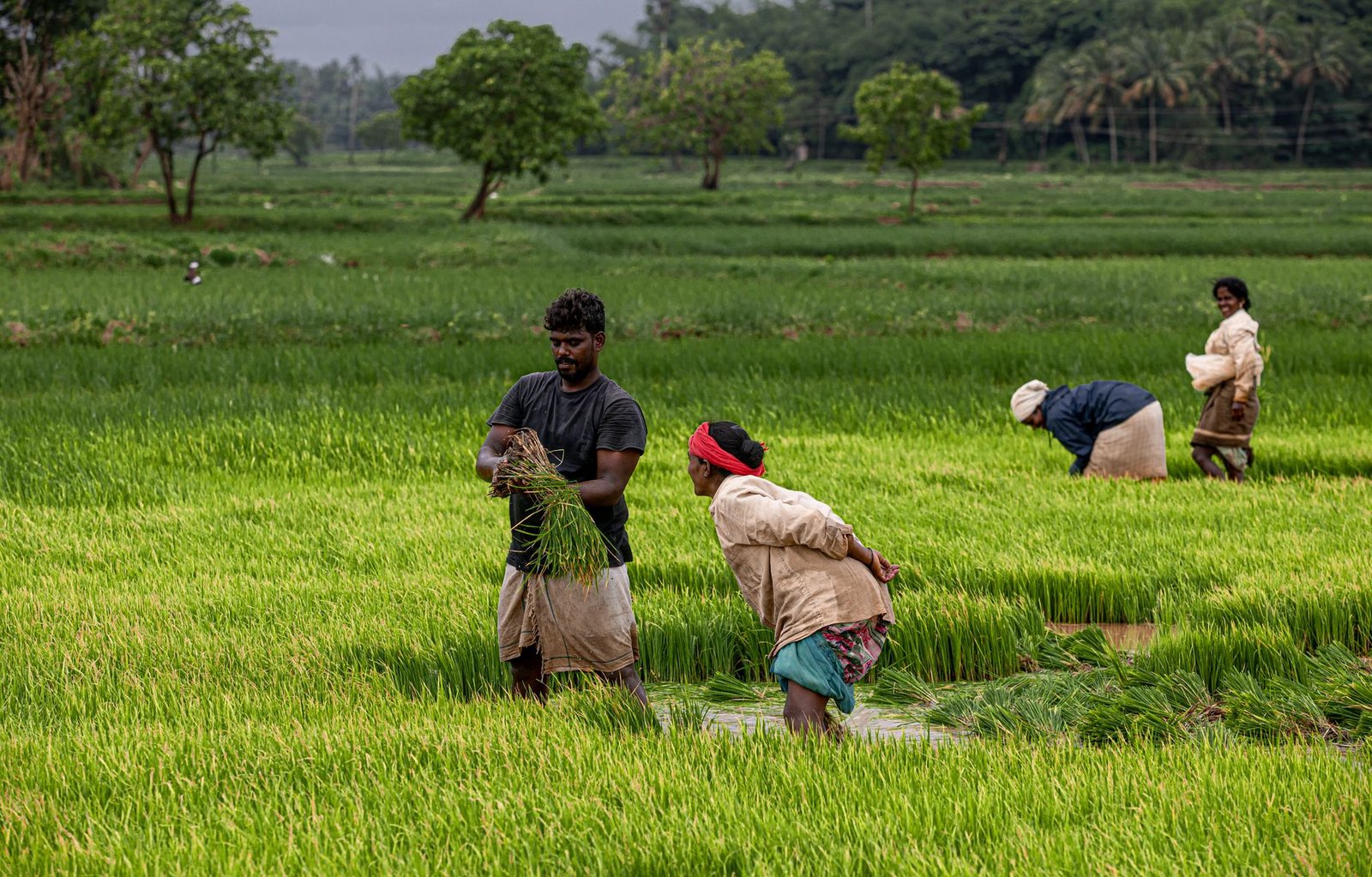
Ministers discussed a wide range of priority areas under the new plan. These included food security, climate-resilient farming practices, digital agriculture innovation and stronger regional supply chains. Talks also covered climate-adaptive agriculture, low-emission rice cultivation, water productivity, soil health and AI-enabled digital farming systems. These reflect the twin pressures of climate change and rising food demand across both regions. Officials described the mix of priorities as a response to climate pressures on smallholder farmers, who form the backbone of farm production across both India and Southeast Asia.

The gathering included a symbolic marker of the partnership: an “India-ASEAN Agriculture and Forestry Friendship Spike” sculpture was unveiled during the meeting. An accompanying exhibition showcased Indian agricultural innovations, among them indigenous vaccines against African swine fever, disease-forecasting systems, advances in shrimp farming and aeroponics-based potato seed production. Organisers said the display was intended to spotlight areas where India’s own agricultural technology could support ASEAN partners, from livestock disease control to seed systems.
Farmer Sarathi’s reach
India also used the meeting to highlight Farmer Sarathi, its digital farmer-support platform, as a model of the kind of digital agriculture cooperation the plan aims to encourage. The platform supports more than 3.03 crore, or 30.3 million, registered farmers and operates in 13 Indian languages, officials said. That scale illustrates how far digital advisory tools now reach into India’s farming communities. Officials pointed to the platform as a reference point for the kind of large-scale digital agriculture cooperation ASEAN members might look to replicate across their own diverse farming populations.
The ASEAN-India agriculture cooperation plan places India’s farm diplomacy within a broader run of Global South agricultural gatherings hosted in the country during September 2026. The ICRISAT Dryland Agriculture Congress and its accompanying Delhi Declaration on Drylands took place in the same fortnight. Officials have not yet detailed how the 2026-2030 Plan of Action will be funded or monitored. The next ASEAN-India ministerial meeting on agriculture is scheduled for 2028, when delegates are expected to review progress on the priorities agreed in New Delhi.
For smallholder-heavy farm systems across South and Southeast Asia, the practical impact of the New Delhi meeting will depend on how far its priorities translate into shared projects before 2028. Those priorities range from climate-resilient farming to AI-enabled digital systems. The scale of participation, spanning 11 ASEAN member states and reaching into India’s own farmer networks through platforms such as Farmer Sarathi, suggests both sides see the stakes as significant. Both regions rely heavily on smallholder farming, and cooperation on climate-resilient practices and digital tools is intended to help those farmers adapt faster than either region could alone.