India’s Dryland Agriculture Congress 2026 closed in New Delhi with the adoption of the Delhi Declaration on Drylands, known as “3D”, setting out a shared agenda for climate-resilient farming across the world’s driest agricultural regions. The three-day event was organised by the International Society for Scaling Climate-resilient Agriculture (ISSCA).
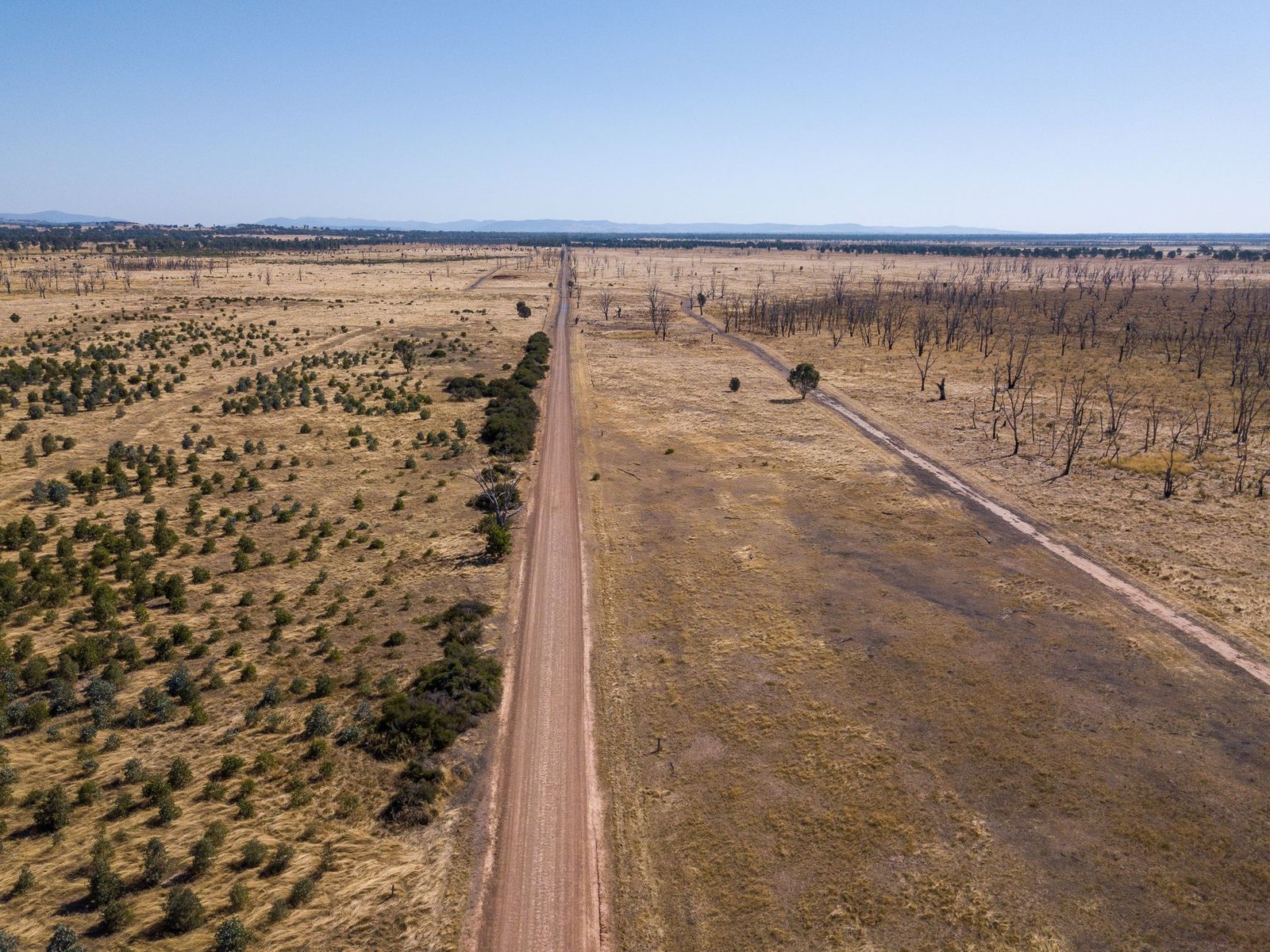
The Congress drew participants from Ethiopia, Senegal, Brazil, China and India, alongside the global agricultural research partnership CGIAR and regional agricultural research systems. Their shared focus was drylands, the arid and semi-arid regions that support hundreds of millions of farmers but face some of the sharpest climate risks, from erratic rainfall to prolonged drought. Many of those farmers are already adapting to shorter growing seasons and increasingly unpredictable rainfall, the kind of pressures that have pushed dryland research increasingly toward shared, cross-border solutions.
Scale was evident in the Congress’s inaugural ISSCA Global Awards 2026, which received 170 nominations from 34 countries spanning Asia, Southeast Asia, Africa, the Middle East and Latin America. Organisers pointed to that spread as evidence of growing international appetite for dryland-specific farming solutions, rather than approaches imported wholesale from wetter regions.

South-South cooperation takes centre stage
Officials at the Congress framed South-South and triangular cooperation, the transfer of knowledge and technology directly between developing countries, as central to scaling dryland agriculture. Dr M. L. Jat, Secretary of India’s Department of Agricultural Research and Education (DARE) and Director General of the Indian Council of Agricultural Research (ICAR), called for foresight to become central to dryland agriculture planning. He urged stronger institutional mechanisms, describing a need for “common innovation grounds or living laboratories.”
Dr Himanshu Pathak, Director General of the International Crops Research Institute for the Semi-Arid Tropics (ICRISAT), said the Congress aimed at moving “from ideas to concepts and ultimately to implementation by bringing together expertise, knowledge and partnerships.” That ambition shaped the Delhi Declaration on Drylands itself, which sets out commitments on knowledge-sharing and institutional coordination among dryland-farming nations.
The New Delhi gathering was one of two major Global South agriculture meetings India hosted within the same fortnight. The 9th ASEAN-India Ministerial Meeting on Agriculture and Forestry also took place in the capital in September 2026, underlining India’s growing role convening agricultural diplomacy. Hosting both gatherings in quick succession positioned New Delhi as a hub for South Asian and Global South agricultural policy discussions that month.
Awards point to working solutions
The ISSCA Global Awards gave the Congress concrete examples rather than abstract commitments. The International Center for Agricultural Research in the Dry Areas (ICARDA), based in Lebanon, won recognition for its work on heat-tolerant wheat varieties, bred to withstand the rising temperatures already affecting dryland harvests. Heat tolerance has become a priority trait for wheat breeders as dryland growing seasons face increasingly extreme temperature swings.
The International Maize and Wheat Improvement Center (CIMMYT), based in Mexico, was recognised for its digital agriculture work, reflecting a wider push to bring data-driven tools to farmers who have historically had limited access to real-time climate and soil information.
Closer to home, the Odisha Livelihoods Mission, an Indian state-run programme, won an award for women-led sustainable farming initiatives. Its recognition signalled that dryland resilience strategies are not confined to research institutes; they are also being built through grassroots programmes run by and for rural women.
Together, the three award winners offered the Delhi Declaration on Drylands a practical complement. Organisers pointed to them as proof that climate-resilient dryland farming is already being implemented, not merely theorised, across research labs, technology platforms and community programmes alike.