
Africa’s monitored wildlife populations have fallen by an average of 80% since 1970, according to the Living Planet Report 2026. That is well above the global average decline of 73% over the same period. The report, released on 8 October, draws on 35,803 population trends across 5,790 vertebrate species worldwide.
The Living Planet Index is managed by the Zoological Society of London with WWF, and is widely treated as the standard reference for tracking vertebrate population trends worldwide. Latin America and the Caribbean recorded the steepest regional fall, at 95%. Half of all tracked populations remain stable or are even increasing, the report notes, but steep declines in the other half drag the overall average sharply down.
Habitat destruction and degradation are the most frequently reported pressure on the species tracked. Overexploitation, climate change, pollution, disease and invasive species round out the list. A WWF press release cited by Mongabay offers an important caveat. The index measures average population size, it says, not the number of species lost. An 80% fall therefore does not mean Africa has lost 80% of its wildlife, or that any one species has vanished at that rate everywhere it lives.

Elephants show both the damage and the fix
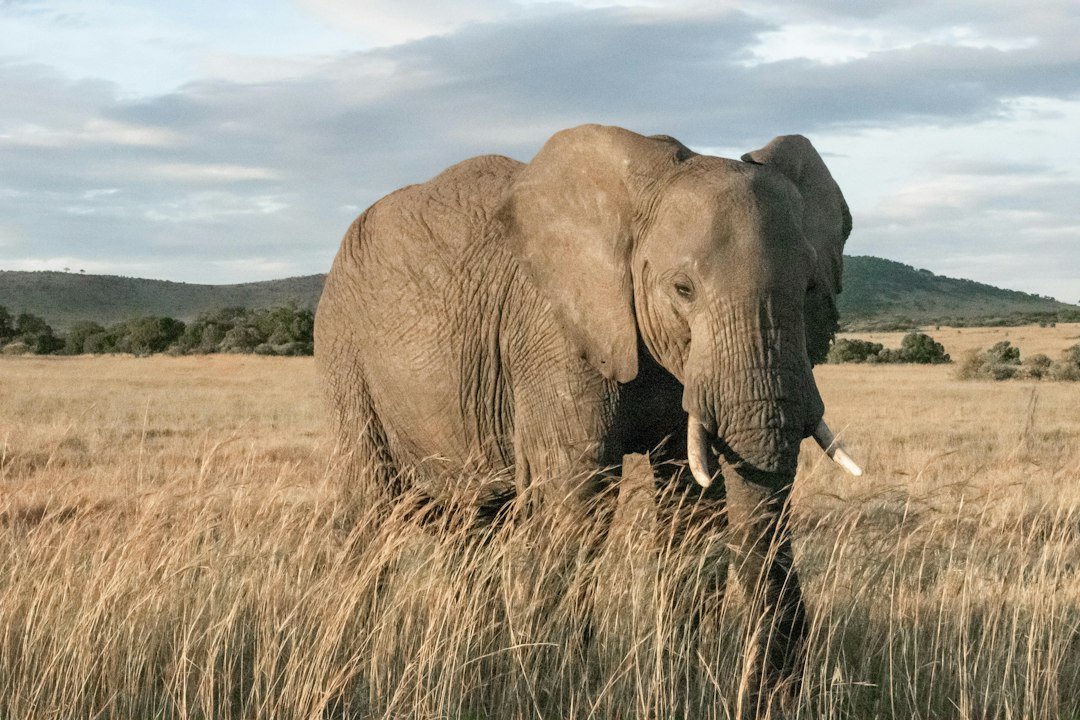
The Congo Basin illustrates the pressures driving the decline. Expanding agriculture, logging, mining and new roads are fragmenting forests there, while hunting and poaching add further strain. WWF says African forest elephant populations have fallen by more than 60% in recent decades, mainly from habitat loss and ivory poaching. The basin spans six countries and holds the world’s second-largest tropical forest, so pressure there has knock-on effects for rainfall and farming far beyond its own borders.
Southern Africa tells a more mixed story. Savanna elephants remain endangered, and are still declining across much of their range. Even so, some populations are growing where communities directly manage wildlife and share in the benefits. Anti-trafficking measures, judicial reforms and anti-corruption efforts have accompanied those gains, the report says, suggesting that enforcement and local incentives can work together.
“Reversing this trend requires coordinated action across governments, civil society and other sectors,” said Nadège Nzoyem, WWF’s regional director for the Congo Basin. She pointed to the role of Indigenous peoples and local communities in holding that line, arguing that conservation plans drawn up without them tend not to last.
A corridor conflict closer to home
Human-wildlife conflict over shrinking corridors is not confined to Central Africa. Authorities in Kerala’s Idukki district have spent weeks clearing illegal fences that blocked elephant movement near cardamom farms, after six deaths this year alone. Both cases point to the same underlying problem: wildlife corridors squeezed by farmland, with elephants and people paying the price in close quarters.
The Living Planet Report’s authors argue that community-based management offers a template other regions could adapt. It is already working in parts of southern Africa. Whether that model can scale fast enough to match the pace of habitat loss elsewhere remains the open question the report leaves for governments to answer. For now, the data points firmly in one direction, and reversing it will take sustained funding well beyond the next budget cycle, alongside the kind of community buy-in that Nzoyem says conservation plans have too often skipped.