
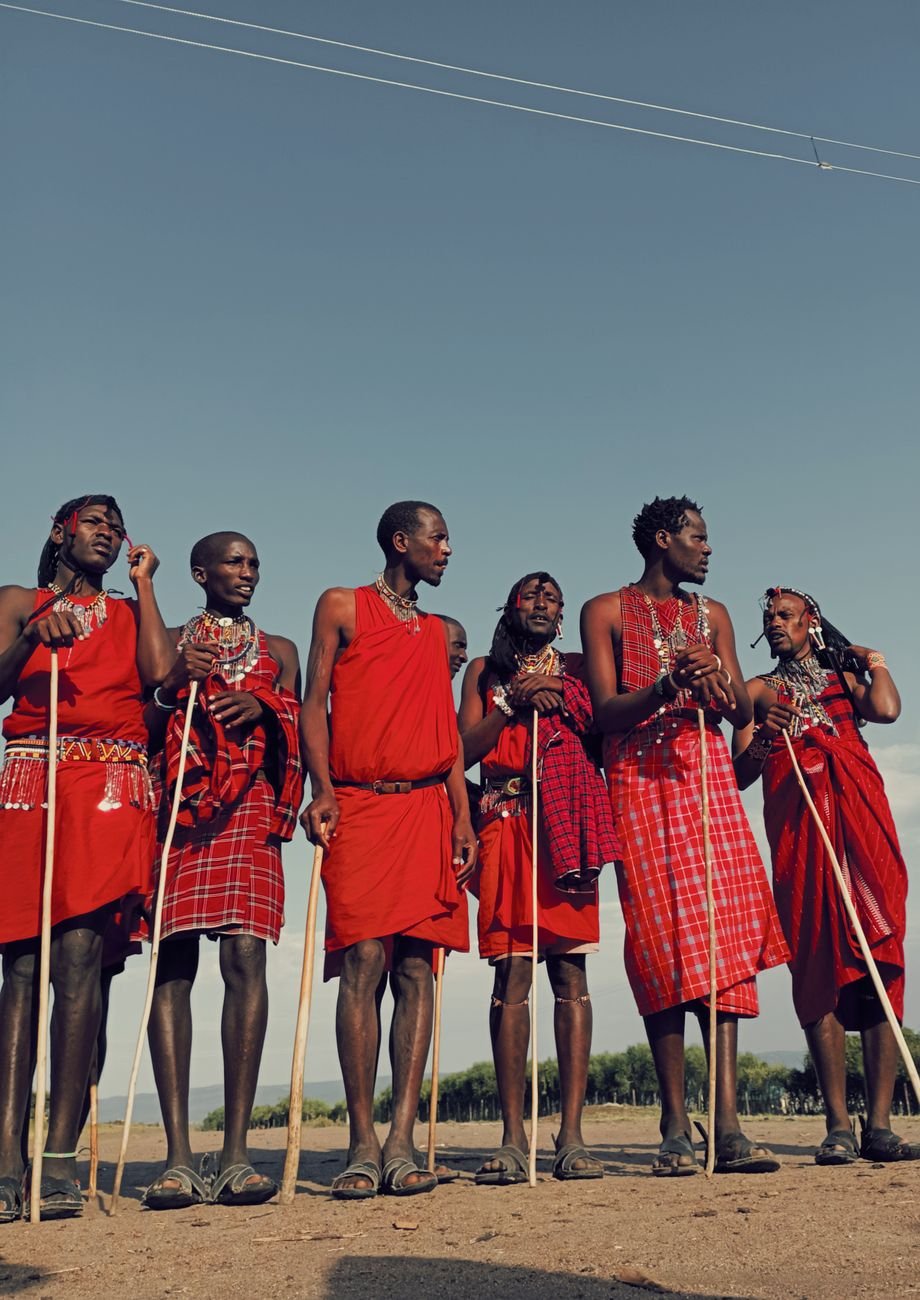
Kenya’s government has signed a 10-year conservation financing agreement worth $160m, or about £120m at current exchange rates. The agreement involves a group of international donors that includes heirs to the Walton and Cargill family fortunes. It aims to protect 17.3 million hectares of land, an area spanning some of East Africa’s best-known wildlife habitats.
The initiative is named Thamani Asili, a Kiswahili phrase meaning “value of nature”. It was developed with support from the Nature Conservancy, the US-based environmental group that helped design the underlying financial structure. Funding splits roughly evenly between international donors and the Kenyan government. Each side is contributing about $80m, or roughly £60m, over the decade-long programme.
A financing model built around policy reform
Rather than a straightforward grant, the deal uses what conservation financiers call a Project Finance for Permanence structure. This structure releases funding in step with specific government policy changes, rather than as a single upfront payment. The approach has already been used in similar deals signed by Brazil and Gabon over the past year. Further agreements of the same kind are reportedly in progress in Namibia and Botswana. That suggests the model is becoming a template for conservation deals across the continent.

The money will fund new conservation areas and will strengthen management of existing ones, starting with four priority regions. So far, two of those four regions have been named. One is Tsavo, home to Kenya’s largest national parks and to roughly 40% of the country’s elephants and 20% of its critically endangered black rhinos. The other is the southern landscape bordering Tanzania, which includes the Maasai Mara National Reserve and connects directly to the wider Serengeti ecosystem.
Ryan Bidwell, who heads the Nature Conservancy’s permanence-financing programme, said the deal addresses a long-standing shortfall in conservation funding. “There is a substantial gap that would be largely closed,” he said, pointing to the scale of the $160m commitment. Ruth Masha, also of the Nature Conservancy, said the initial phase would concentrate resources on the four priority regions. Later phases, she said, would expand the programme to cover further conservation areas once the first round of policy reforms is in place.
Balancing wildlife protection with economic growth
Rebecca Miano, Kenya’s cabinet secretary for tourism and wildlife, framed the plan as a benefit for wildlife and for the rural communities living alongside it. She argued that stronger conservation financing would support nearby farmers as well as protected species. Government estimates cited in a UN Environment Programme report suggest that about 42% of Kenya’s GDP depends in some way on natural ecosystems. The same report put the share of national employment connected to those ecosystems at roughly 70%, underlining the economic stakes behind the biodiversity push.
Separately, the Nature Conservancy estimates that Kenya currently protects between 20% and 23% of its land and sea territory. That share falls well short of the global target, agreed internationally, of protecting 30% of land and sea by 2030. Thamani Asili is intended to help close that gap. Its scale, though, remains modest next to the pressures facing Kenya’s conservation estates. Those pressures range from encroaching farmland to competing claims on water and grazing land.
Similar pressures were visible elsewhere in the country this month. President William Ruto and the Nigerian businessman Aliko Dangote recently broke ground on a $16bn oil refinery on Kenya’s coast. The project is a reminder that conservation financing is advancing alongside major industrial investment, rather than instead of it. How Kenya manages that tension will shape whether Thamani Asili’s early momentum turns into durable gains. That outcome matters most for Tsavo and the Maasai Mara, and for the species that depend on them. It will also show whether the country can extend protected areas while still pursuing large-scale development.
Not every conservation financing scheme has avoided controversy. In the Philippines, an indigenous community has challenged a carbon-credit plantation it says sits on its ancestral land, a reminder of the scrutiny such deals can attract.



