
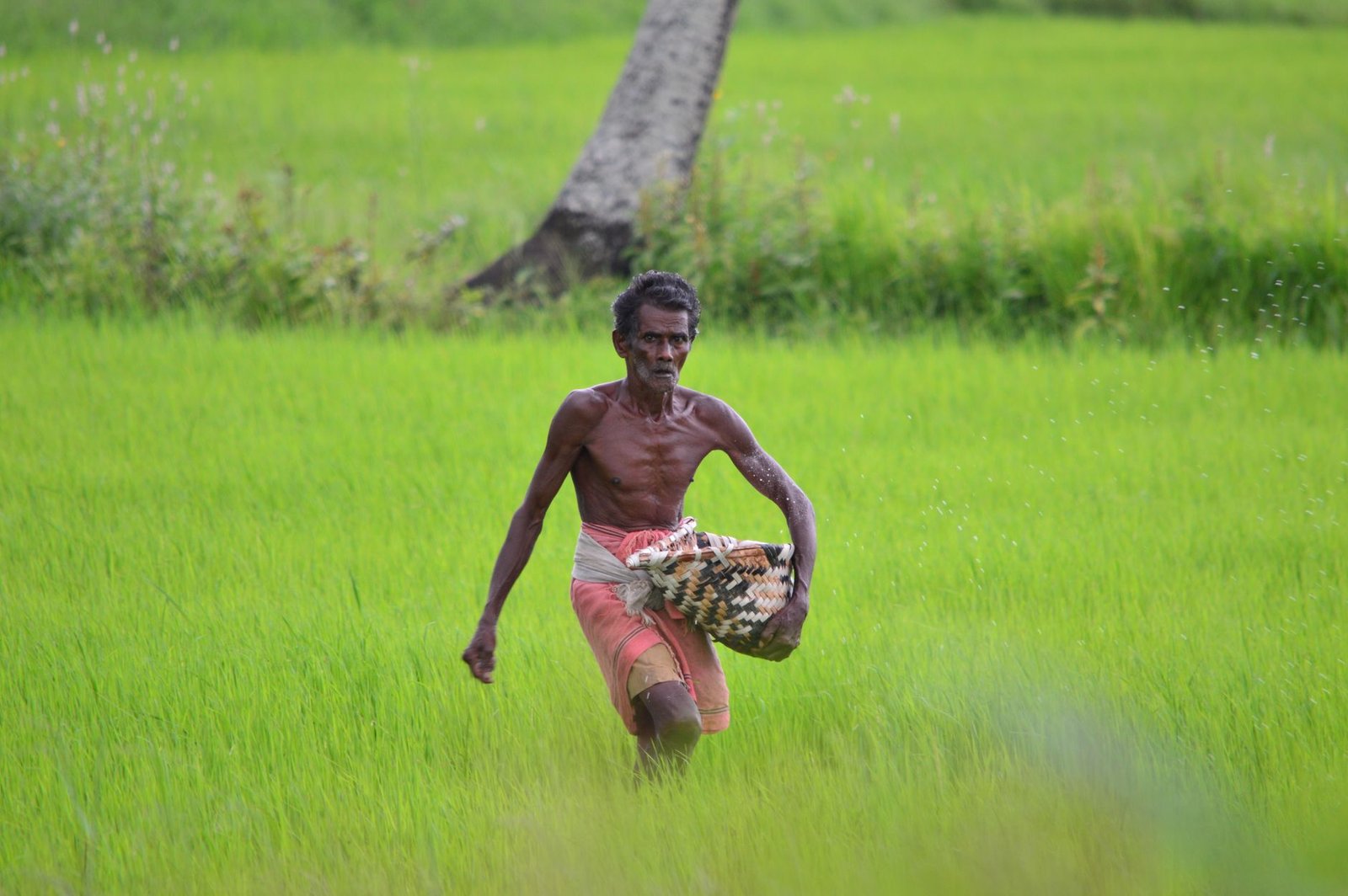
A scientific review published earlier this year in the journal Nature Food argues that indigenous and traditional food knowledge could help tackle both malnutrition and climate vulnerability, particularly in communities where such practices have been displaced by industrial farming methods.
The review, titled “Food systems literacy in Indigenous health and nutrition”, was covered by multiple outlets, including the science news site EurekAlert and the Indian environmental publication Down To Earth, both of which described its central argument: that “food systems literacy”, communities’ own understanding of how to grow, gather, prepare and share food sustainably, is an under-used resource in efforts to build healthier, more climate-resilient diets.
Down To Earth’s coverage highlighted evidence from community-based interventions, including in eastern India, where drawing on local and indigenous food knowledge was associated with improved food security and nutrition outcomes, rather than approaches imposed from outside the community. The review’s authors argue that many indigenous food systems were developed over generations to cope with local climate variability, seasonal scarcity and biodiversity management, giving them practical relevance to today’s climate adaptation challenges.

The review also warns that the loss of this knowledge, driven by migration, market pressure to grow cash crops, and the spread of ultra-processed foods, is itself a food security risk, since it can erode communities’ ability to fall back on locally adapted food sources during shocks such as drought or crop failure.
That argument has a close parallel closer to home, in Kerala’s spice belt, where growers of traditional pepper varieties have faced years of price volatility rooted partly in the same tension between older, hardier cultivars and higher-yielding but less climate-resilient ones. It also echoes the reasoning behind renewed India-Africa cooperation on climate-resilient seed breeding, unveiled this month at a summit in Hyderabad, where organisers argued that farmers in both regions need crop varieties suited to increasingly unpredictable rainfall.
The review’s argument resonates with long-running debates over the erosion of traditional paddy varieties, foraged greens and homestead farming practices in favour of more commercially oriented cropping patterns, a shift that predates the current wave of climate pressure but that researchers say has left many communities with fewer fallback options when a season goes wrong.
Academics working in this field generally distinguish between two related ideas: traditional ecological knowledge, built up over generations of observing local soils, seasons and species, and food systems literacy, the more applied ability to translate that knowledge into what a household actually grows, forages and eats. The review argues that development and nutrition programmes have tended to treat the two as folklore rather than as a functioning body of practical expertise, and that this has cost programmes credibility with the very communities they aim to serve.
The authors do not argue for a wholesale return to pre-industrial farming, according to the coverage, but for a more deliberate blending of traditional and modern approaches, particularly in regions where industrial monocropping has narrowed dietary diversity and left soils more vulnerable to erosion. That framing puts the review alongside a wider body of recent research linking crop and diet diversity to household-level resilience against both economic and climate shocks, an argument that has gained more traction among nutrition researchers as extreme weather events have become more frequent.
For readers in Kerala, the more immediate test of the argument may be closer to home than the review’s eastern India case studies: whether homestead gardens, mixed cropping and foraged greens, all long-standing features of the state’s rural food culture, are treated as heritage to be preserved for its own sake or as a genuine, underused tool for managing the kind of price and supply shocks already visible in commodities such as pepper this season.