
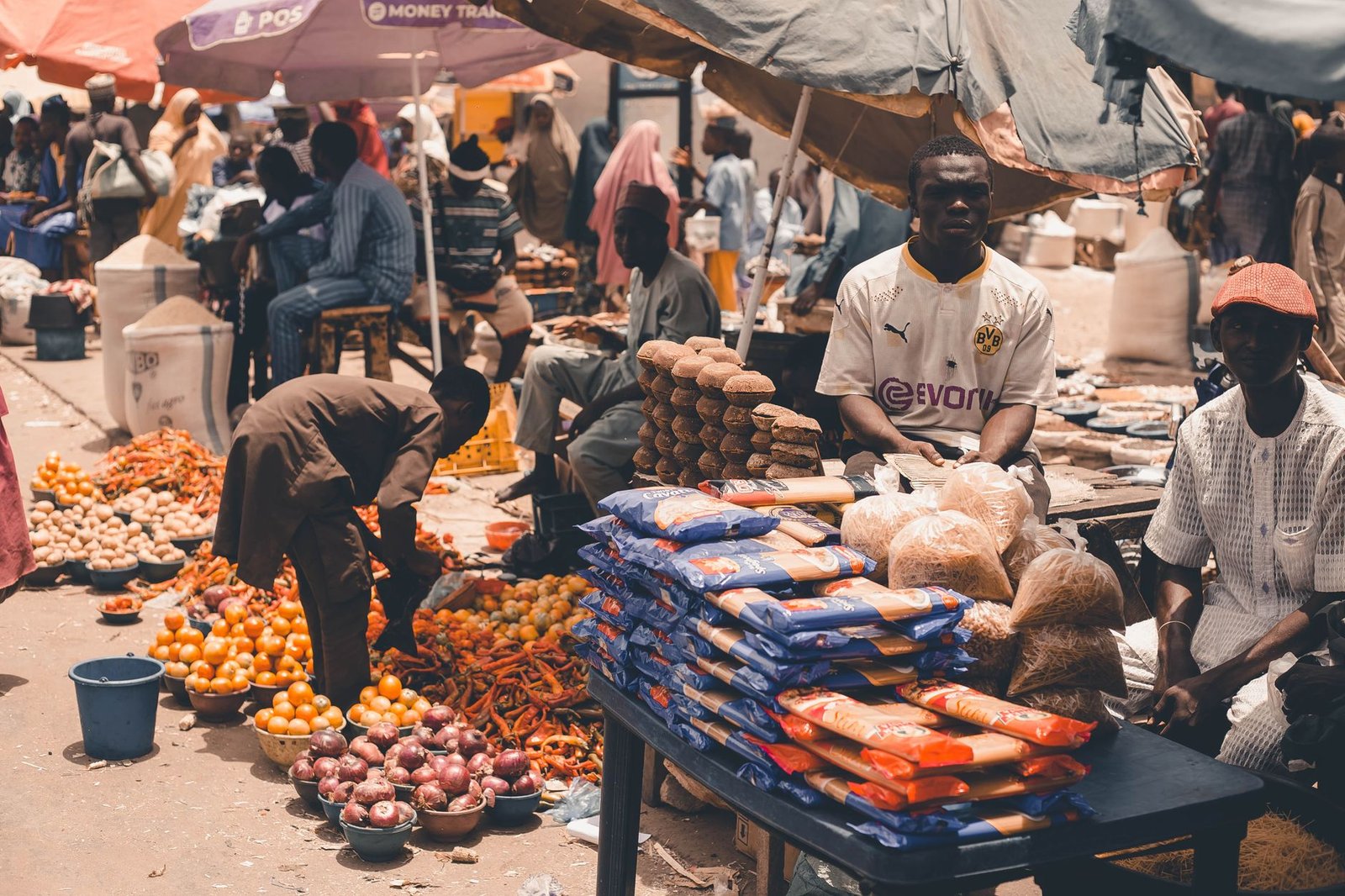
Nigeria's headline inflation rate eased slightly to 15.39% in August, down from 15.43% in July, according to Consumer Price Index data released by the National Bureau of Statistics. Food inflation told a different story. It stood at 19.57% year-on-year, keeping food as the single largest driver of the country's overall price pressure, contributing 6.16 percentage points to the headline figure.
The monthly picture offered a clearer sign of relief. Food inflation on a month-on-month basis fell sharply to 1.02% in August, down from 5.56% in July. That deceleration suggests price increases are slowing from one month to the next. The annual rate still looks high, because of how much prices rose earlier in the year before this recent slowdown began.
Several specific commodities saw price moderation during the month. Palm oil, carrots, pepper and onions all eased, alongside cassava flour, beef, yam flour and water yam. Egusi, fresh ginger, fresh fish and Irish potatoes also featured on the bureau's list. So did wheat grain, frozen chicken and turkey. In each case, prices either fell during the month or rose more slowly than they had in previous months, according to the statistics office's breakdown.

Some staples are getting cheaper
Core inflation, which strips out volatile food and energy prices, came in at 13.29% year-on-year. That is lower than the headline rate, a sign the broader disinflation trend extends beyond food alone. Urban inflation stood at 15.88%, compared with 14.23% in rural areas. The gap reflects higher costs for transport, rent and services in Nigeria's cities.
A wide gap between states
The state-level picture varied enormously. Lagos recorded the highest state-level headline inflation in the country, at 23.68%. That is far above the national average, reflecting the commercial capital's higher cost of living and dense urban demand. Sokoto, in the country's north-west, posted the lowest rate at just 2.11%. The gap between the two is unusually wide, and points to how differently price pressures are being felt across Nigeria's regions this year.
Behind the price data sits a structural trend that helps explain persistent food inflation. Nigeria's agricultural imports rose to 1.20 trillion naira in the second quarter of 2026, equivalent to roughly $905 million or £678 million at current exchange rates. That figure represents a 45.43% increase from the first quarter of the year. It underlines how much of the food now reaching Nigerian shelves is sourced from abroad, rather than grown domestically as it once largely was. That import cost gets passed on to consumers already stretched by years of high prices, regardless of what the more encouraging month-on-month figures show for August specifically.
The pattern echoes a wider regional story. Thailand’s rice exporters and Argentina’s grain farmers are both navigating shifting trade flows this season, even as Nigeria's own food-import bill climbs in the opposite direction, and Bangladesh contends with its own worsening food-security outlook. The National Bureau of Statistics has not forecast when food inflation might fall back toward the low double digits last seen several years ago. Economists tracking the data point to a combination of currency pressures, import dependence and local production constraints. Together, they say, these factors mean the path back to significantly lower food prices is likely to be gradual rather than sudden. That holds true even as the month-on-month trend continues to improve through the rest of the year.