
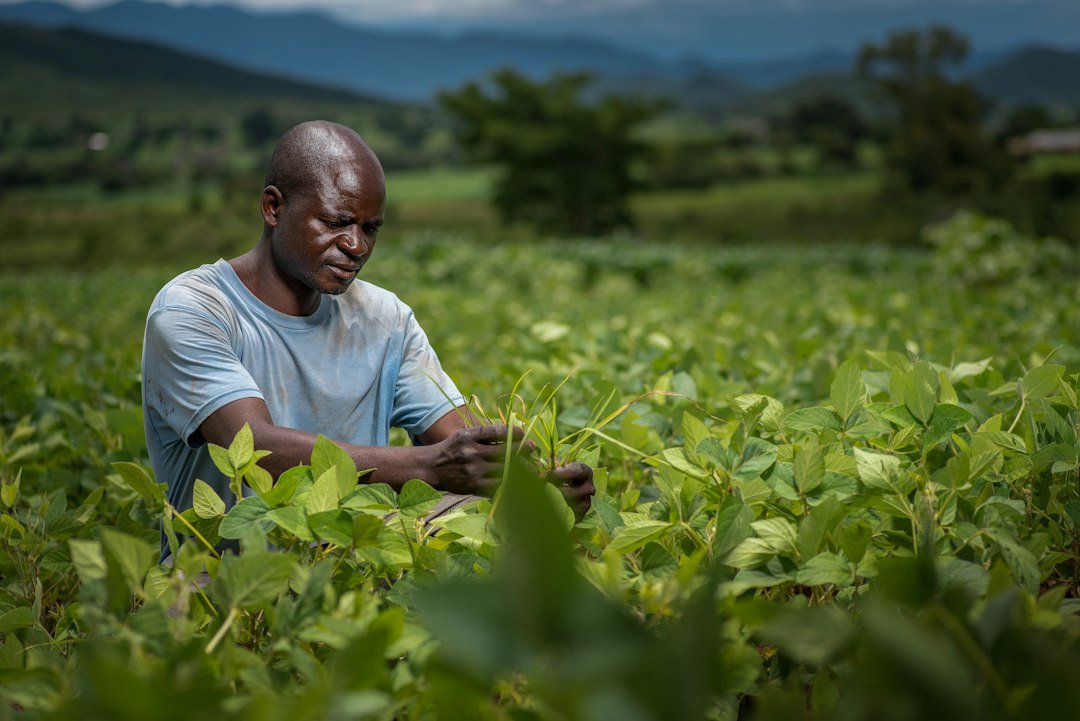
Zimbabwean seed company Seed Co has launched SW9104, a new high-yielding wheat variety developed through its local breeding programme, as the country works to reduce its dependence on imported hard wheat for bread-making flour. The company presented the variety alongside a wider breeding push it describes as central to building climate resilience into Zimbabwe’s grain supply.
Zimbabwe currently imports a share of the hard wheat millers need to blend with local soft wheat varieties, which lack the gluten strength required for commercial bread flour. SW9104 is bred to close some of that gap, giving millers more homegrown grain suited to bread production and reducing the foreign-currency outlay the country spends on wheat imports each year.
Seed Co group executives framed the release as part of a broader six-pillar strategy for sustainable agriculture, which the company has used to guide its research investment across cereals, oilseeds and horticultural crops. The strategy emphasises climate-adapted varieties, several of which the company has already rolled out for maize and soybean growers facing increasingly erratic rainfall.

Breeding for a drier, more volatile climate
Wheat is grown in Zimbabwe mostly under irrigation during the dry winter season, which shields it from the direct swings of the summer rainy season but leaves it exposed to water availability in dams and rivers. Winter cropping areas have faced tighter water allocations in recent seasons as rainfall patterns across southern Africa have become less predictable, a trend regional climate scientists link to broader shifts affecting the Southern African Development Community.
SW9104’s higher yield potential matters in this context because it allows farmers to produce more grain from the same irrigated area, a meaningful efficiency gain when water, rather than land, is the binding constraint. Seed Co has not published detailed yield-trial figures for the variety’s commercial release, though the company has said on-farm trials informed the final selection ahead of this season’s planting window.
Import substitution as food-security strategy
Zimbabwe’s push to grow more of its own hard wheat sits within a wider regional pattern. Several southern and eastern African governments have prioritised cereal self-sufficiency over the past few years, partly in response to global grain-price volatility that followed disruptions to Black Sea exports, and partly to insulate domestic bread prices from currency swings.
For Zimbabwe specifically, a smaller wheat import bill would ease pressure on foreign-currency reserves that the government also draws on for fuel and fertiliser imports. The blending ratio between imported hard wheat and local soft wheat directly affects flour costs passed on to bakeries, and the retail price of bread remains a politically sensitive measure in a country that has experienced repeated currency and inflation shocks over the past two decades.
Seed Co’s wheat programme forms part of a longer-term bet that domestic breeding, rather than import substitution through policy alone, offers the more durable route to food security. The company has framed SW9104 as one component of a wider cereal pipeline that also includes newer maize hybrids bred for shorter growing seasons, aimed at farmers who have had to adjust planting windows as rainfall onset becomes less predictable across the region.
Zimbabwe’s agriculture ministry has separately pursued a parallel push for self-sufficiency in staple grains through subsidised input schemes for smallholders, an effort that has had mixed results depending on the season’s rainfall. A locally bred wheat variety that performs reliably under irrigation would complement that push without depending on the erratic summer rains that have undermined similar self-sufficiency drives for maize in recent years.
Whether SW9104 delivers the yield gains the company expects will become clearer once this season’s winter wheat crop is harvested and millers report how the variety performs in commercial bread flour.