
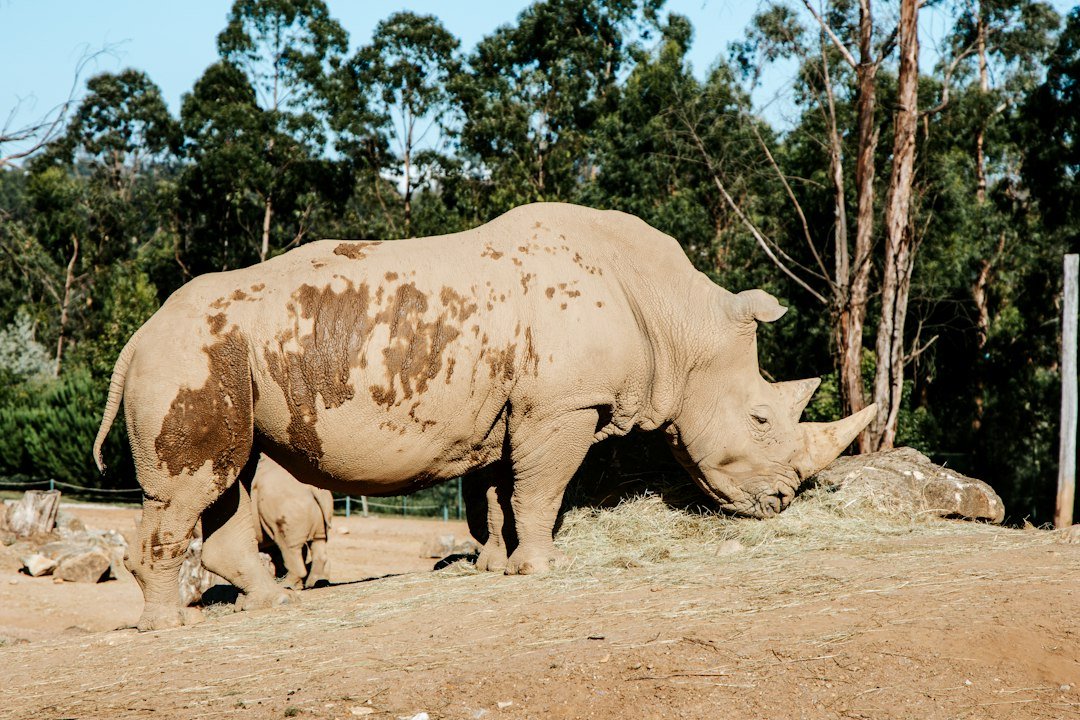
Two Sumatran rhinos at Indonesia’s Way Kambas sanctuary have been confirmed pregnant, a significant development for a species with fewer than 50 individuals left in the wild and in captivity combined. Conservationists at the sanctuary, located in Lampung province on the island of Sumatra, announced the pregnancies in early October following veterinary monitoring of the breeding programme’s females.
The Sumatran rhino is the smallest living rhino species and the only one with a thick coat of hair, adaptations to the dense rainforest habitat it once ranged across from the Himalayan foothills to Borneo. Decades of poaching for its horn and habitat loss from logging and plantation expansion have reduced the species to small, isolated pockets, mostly within Indonesia’s Way Kambas and Bukit Barisan Selatan national parks.
Captive breeding at Way Kambas has produced a handful of calves in recent years, each one considered a meaningful gain given the population’s small size. The latest pregnancies add to that slow progress, though conservationists managing the programme say every birth also narrows the species’ genetic diversity further, since the breeding population descends from a limited number of founder animals.

A population too small for comfort
Geneticists who study small, isolated populations warn that inbreeding depression, reduced fertility, weaker immune response and higher calf mortality, becomes more likely as a species’ founder population shrinks. With Sumatran rhino numbers this low, every pairing carries some risk of compounding relatedness, even when sanctuary staff carefully track lineage to avoid close matings.
International Rhino Foundation partners working alongside Indonesian wildlife authorities have discussed augmenting genetic diversity through assisted reproduction, including the possibility of using preserved genetic material from rhinos that have already died. No such intervention has been confirmed for the current pregnancies, which resulted from natural breeding within the existing sanctuary population.
Sumatran rhino gestation runs for roughly 15 to 16 months, among the longest of any land mammal, meaning sanctuary staff and the wider conservation community face a long, anxious wait before either pregnancy reaches full term. Veterinarians monitor the animals through regular ultrasound checks, a technique the programme adopted after earlier losses taught staff how fragile rhino pregnancies can be in the final trimester.
Why Way Kambas matters beyond Indonesia
Way Kambas functions as one of only a few places on Earth equipped to breed Sumatran rhinos under close veterinary supervision, making its programme central to the species’ survival regardless of where wild populations eventually stabilise. Each confirmed pregnancy there effectively represents a measurable share of the entire species’ near-term reproductive output, a responsibility sanctuary staff describe as both a hopeful sign and a source of pressure.
Conservation groups are using the pregnancies to renew calls for stronger protection of the dwindling wild populations in Bukit Barisan Selatan, where encroachment from agriculture and illegal logging continues to fragment habitat. Camera-trap surveys in the park have struggled even to confirm how many wild rhinos remain, let alone track their breeding, underscoring how much of the species’ hope now rests on the sanctuary programme rather than on wild recovery. A successful birth from either pregnancy would be only the latest step in a recovery effort measured in single digits of calves per decade, underscoring how far the species remains from anything resembling long-term security. The same forest-policy debate playing out over Indonesia’s food-estate programme touches many of the same landscapes rhinos once roamed.



