
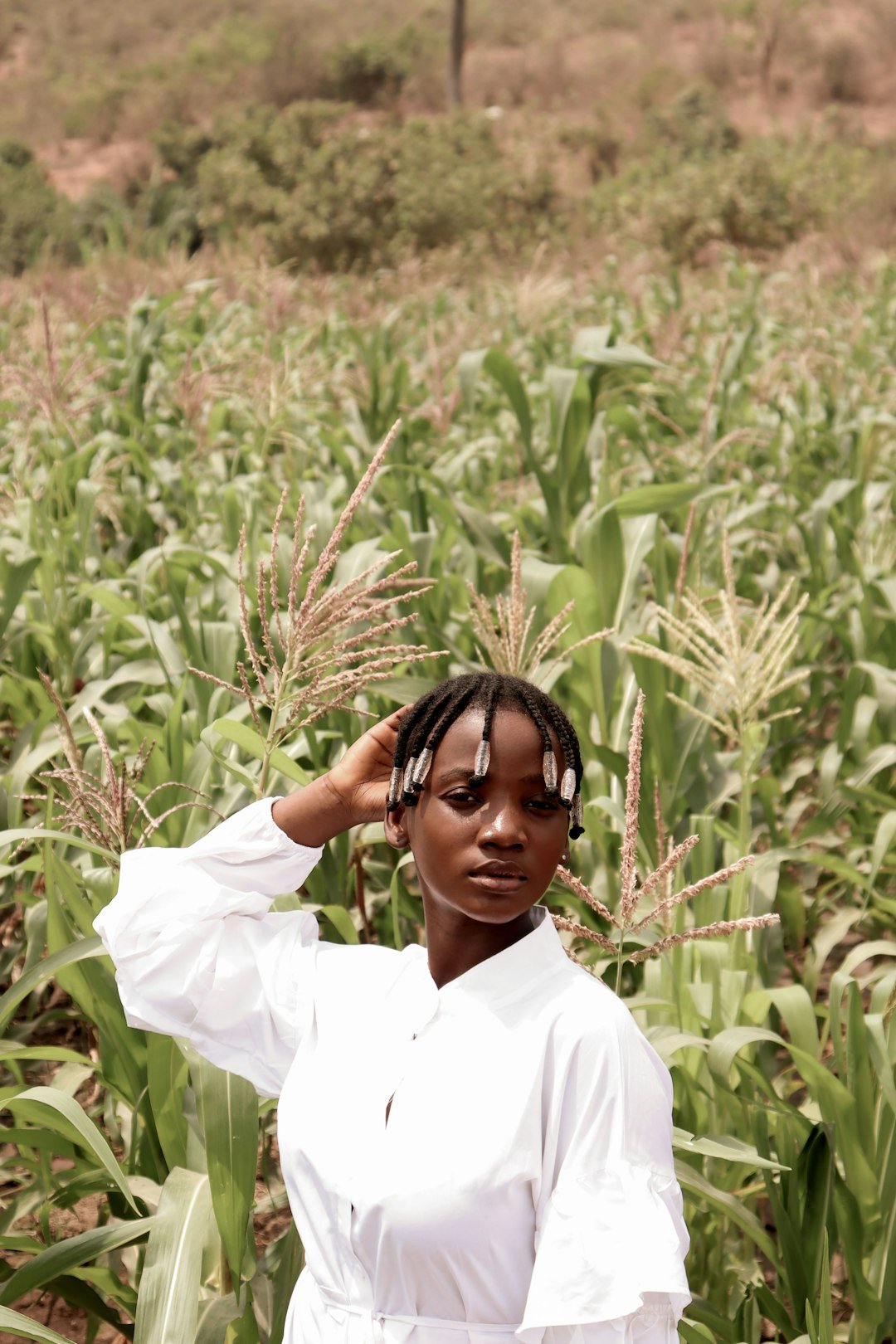
The Zambia maize harvest record for 2025/26 stands at roughly 4.9 million tonnes, up 28% on the previous season and the country’s largest ever, agricultural economist Wandile Sihlobo told Eyewitness News in August. The scale of the harvest leaves Zambia with a surplus well beyond its own needs, at a time when several of its regional neighbours face tighter grain supplies.
Domestic consumption needs are estimated at about 2.8 million tonnes, meaning Zambia holds a surplus of roughly 2 million tonnes available for export markets or as a buffer heading into the next season. Cropgpt.ai described the season separately as a near-record five-million-tonne maize harvest, corroborating the scale of the gain even where exact tonnage estimates vary slightly between sources.
Part of a wider regional glut
Sihlobo noted that Zambia’s bumper crop adds to a broader glut across southern Africa this season, with South Africa harvesting around 17 million tonnes of its own. Large harvests across the region in the same season can weigh on prices for producers even as they ease food-security pressure for consumers, a tension regional grain traders are watching closely heading into the next planting cycle.

The scale of Zambia’s harvest stands in contrast to Zimbabwe, its northern neighbour, where officials have projected a sharp fall in cereal production for the coming season and moved to reopen private grain imports. The divergence underlines how unevenly rainfall and growing conditions have played out across southern Africa this year, even among countries that share similar farming systems and maize-dependent diets.
Surplus brings its own questions
Zambian officials have not yet detailed how the surplus will be allocated between strategic reserves, regional export sales and support for smallholder farmers who produced much of the crop. Large harvests have historically posed logistical challenges for Zambia, including storage capacity and transport links to regional markets, factors that will shape how much of the surplus reaches buyers in neighbouring countries.
For now, the record harvest offers some relief for a country that has faced maize shortfalls in past drought years, and positions Zambia as a potential supplier to regional markets if other southern African harvests fall short in the coming season.
Traders expect clearer export figures once Zambia’s grain marketing board finalises its assessment of this season’s surplus in the coming months.
Maize remains Zambia’s dominant staple crop, grown by the large majority of the country’s smallholder farmers and central to both household food security and rural incomes. A harvest of this scale, coming after several seasons of more modest output, offers farmers a rare opportunity to sell into regional markets at a premium if southern African supply gaps persist, though a regional glut in the same season could just as easily depress prices if several countries attempt to export simultaneously.
Zambian agricultural economists say the government faces a choice between building up strategic grain reserves against future drought years and allowing more of the surplus to move into regional export markets quickly, while prices remain favourable. How that balance is struck is likely to shape smallholder incomes well into next year, particularly for farmers who do not have the storage capacity to hold grain themselves while waiting for better prices.
Zambia’s grain marketing board and private traders are both expected to play a role in moving the surplus, with road transport to neighbouring Democratic Republic of Congo, Malawi and Zimbabwe among the likely export routes given existing trade links and the shortfalls reported in parts of the region. Farmers’ groups say they are pressing government buyers to confirm purchase prices quickly, so that smallholders are not left holding unsold grain as the next planting season approaches.



