
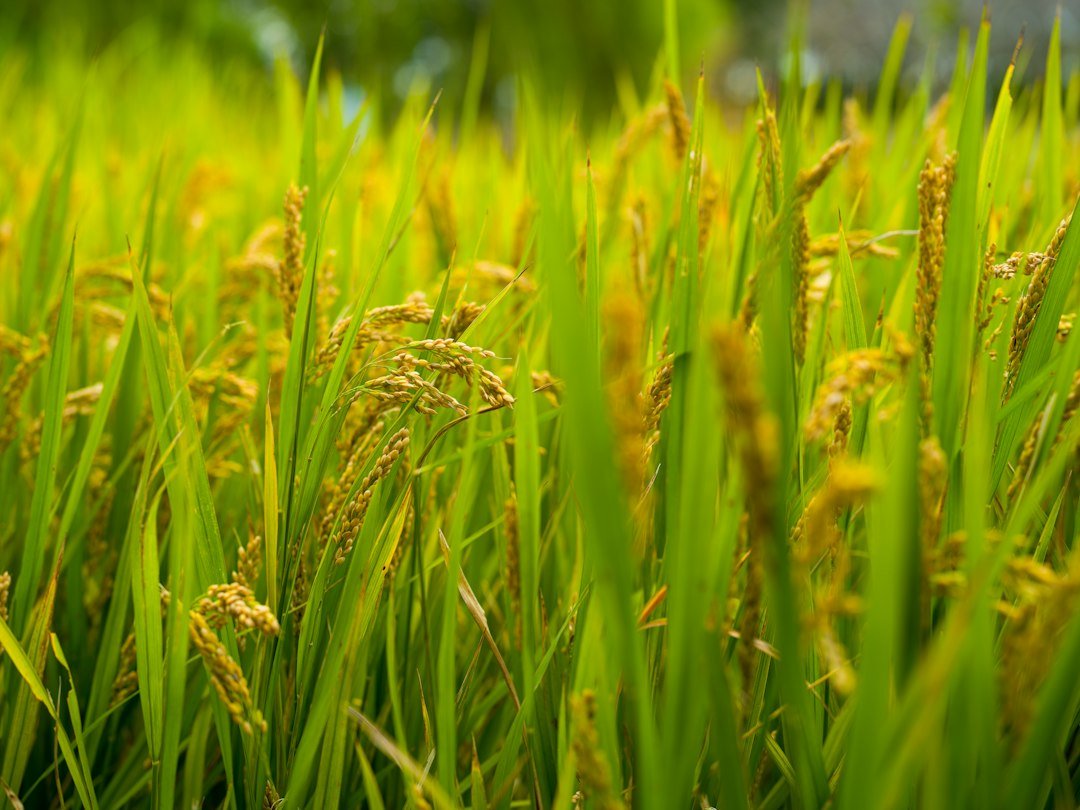
India’s rice export earnings rose 12.9 per cent in the April-to-August period of the current financial year, according to trade data reported in mid-October 2026, with shipments to 26 priority markets beating their three-year average even as exporters navigate shifting global demand. The figures come as India prepares to host the Bharat International Rice Convention (BIRC) 2026, which organisers say has already attracted more than 3,300 buyers from 138 countries ahead of the event.
The growth follows a period of policy volatility in India’s rice trade, after earlier export restrictions on certain varieties were eased, allowing shipments to rebound into markets that had sought alternative suppliers during the restricted period. Industry figures covering the April-August window describe earnings gains as broadly spread, with both basmati and non-basmati varieties contributing, though exporters caution that the comparison period itself followed unusually constrained trade.
BIRC’s stated purpose is to help Indian exporters diversify beyond their traditional markets, and newer growth has reportedly come from destinations such as Turkey and Jordan, which trade publications have described as emerging frontiers for Indian rice exporters rather than the long-established West Asian and African markets that have historically absorbed the bulk of Indian rice shipments.

Diversification is a response to earlier disruption
India is the world’s largest rice exporter, and policy shifts in its trade rules can move global prices and availability within weeks, as buyers in rice-dependent countries across Africa and Asia discovered during the earlier restriction period. The current push towards new markets reflects exporters’ and policymakers’ shared interest in reducing dependence on any single destination, spreading risk across a wider set of trading partners so that any future policy change or demand shock in one market does less damage to overall earnings.
For importing countries, particularly in the Gulf and parts of Africa that rely on Indian rice for staple food supply, the stabilisation of export volumes matters as much as the headline earnings growth. An exporter actively courting new buyers is, by the same logic, one less likely to impose sudden restrictions, though trade analysts note that India’s rice policy remains sensitive to domestic price and stock considerations that can override export ambitions if conditions change.
The convention’s real test comes after the numbers
BIRC organisers have framed the buyer registration figures as evidence of sustained international confidence in Indian rice supply, but converting registered interest into signed contracts and repeat trade is a separate and slower process. Exporters attending the convention say policy incentives and simplified procedures, which organisers have said will be a focus of this year’s discussions, matter more to long-term buyer retention than a single strong trade data release.
Whether the 12.9 per cent earnings growth reported for April-August extends through the rest of the financial year will depend on factors outside the convention’s control, including monsoon-driven domestic harvest outcomes and competing supply from Thailand and Vietnam. For now, the data offers Indian exporters a stronger negotiating position heading into discussions with the buyers BIRC has brought to the table.
For Kerala and other Indian states with significant rice-growing and export-linked livelihoods, the stakes in that negotiating position are concrete rather than abstract: shifts in export policy or in which overseas markets Indian rice reaches directly affect the prices domestic farmers and traders can command. A convention aimed at widening the buyer base, if it succeeds, offers some insulation against future demand shocks in any single destination market, though that insulation only materialises if registered interest this month converts into sustained contracts over the following year. Namibia’s cattle producers are learning the same lesson from the opposite direction, as a single disease outbreak closes export markets built up over years.



