
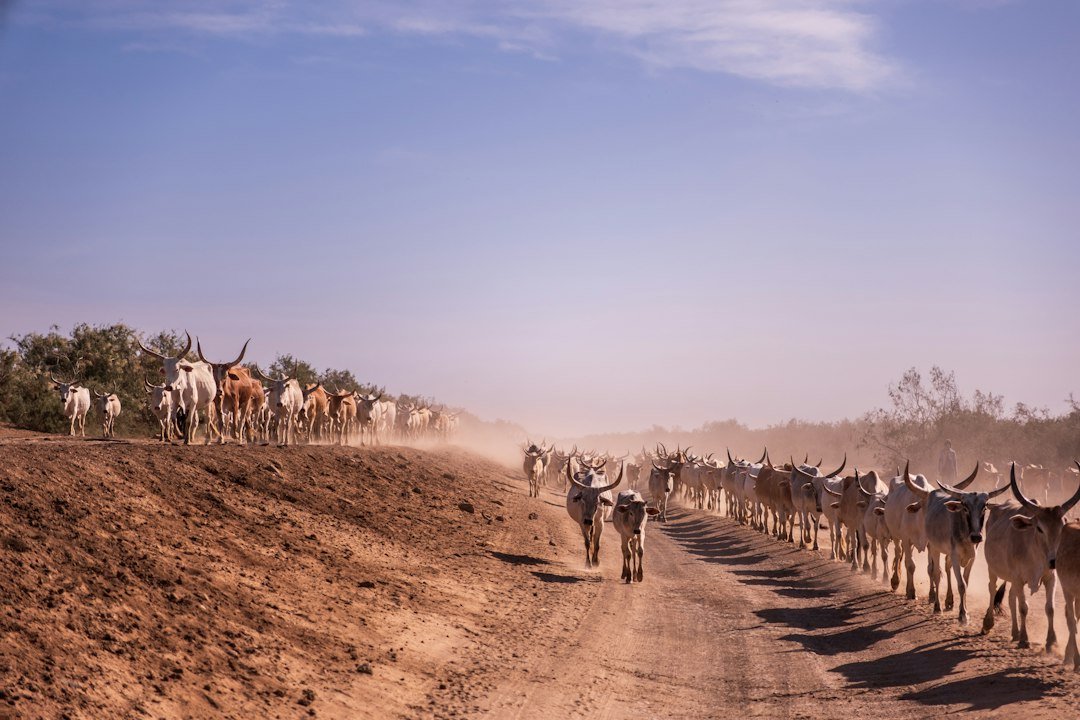
Namibia is battling an outbreak of foot-and-mouth disease that has spread to its Zambezi region, prompting the European Union to suspend imports of several categories of Namibian meat and triggering a precautionary suspension of some beef exports by Namibia itself. President Netumbo Nandi-Ndaitwah addressed the country on 14 October 2026, calling for national cooperation to contain the outbreak and acknowledging the economic stakes for a beef sector that depends heavily on European and regional markets.
Foot-and-mouth disease is a highly contagious viral infection that affects cattle, sheep, goats and other cloven-hoofed animals. It rarely kills adult animals outright but causes painful mouth and foot lesions that cut milk and meat production sharply, and its extreme contagiousness means trading partners typically respond to any confirmed case by restricting imports from the affected country or region, regardless of how contained the outbreak itself may be.
The EU’s suspension, confirmed in early-to-mid October after the disease was detected spreading within Zambezi, follows a pattern familiar to southern African livestock exporters: a localised outbreak in one region can close export markets for products from areas that remain unaffected, because importing countries often apply restrictions at the national rather than regional level unless a formal zoning agreement is in place.

A year of preparation is now being tested
Namibian authorities had reportedly spent roughly a year strengthening surveillance and response plans for exactly this kind of outbreak, following earlier foot-and-mouth scares in the region. That preparation appears to have shaped the speed of the government’s response this time, with Zambezi-specific containment measures announced alongside the president’s national address, though officials have not yet said how long the EU suspension is expected to remain in place.
Namibia’s own decision to suspend some beef exports pre-emptively, rather than wait for importing countries to act unilaterally, reflects a calculation common among smaller livestock-exporting nations: moving first can sometimes preserve longer-term trading relationships and trust, even at an immediate cost, compared with having restrictions imposed from outside with no say in the terms.
Buyers are already adjusting, with consequences beyond this outbreak
European beef buyers that had relied on Namibian supply have begun sourcing from alternative markets, a shift that industry reporting suggests may persist even after the immediate outbreak is brought under control, since buyers who switch suppliers do not always switch back quickly. For Namibian producers, many of them smallholders for whom cattle represent both income and savings, the disruption lands on top of existing pressure from recurrent drought across the region.
The episode illustrates a broader vulnerability facing livestock economies across southern Africa: export earnings can evaporate within days of a disease detection, long before the underlying outbreak is resolved, leaving producers exposed to market decisions made far outside their control. Whether Namibia’s preparedness this time shortens the suspension, or whether EU buyers return once restrictions lift, remains to be seen in the weeks ahead.
Namibia’s beef sector had already been positioning itself as a relatively disease-resilient supplier within the region, a reputation built over years of investment in traceability and veterinary surveillance that this outbreak now tests directly. How the government documents and communicates its containment measures over the coming weeks may matter as much to the EU’s eventual decision as the outbreak’s actual epidemiological scale, since trading partners weigh both the disease risk itself and their confidence in a country’s capacity to manage it. The episode is a reminder of how exposed exporters remain to sudden shocks, even as India reports rising rice export earnings from a more diversified buyer base.



