
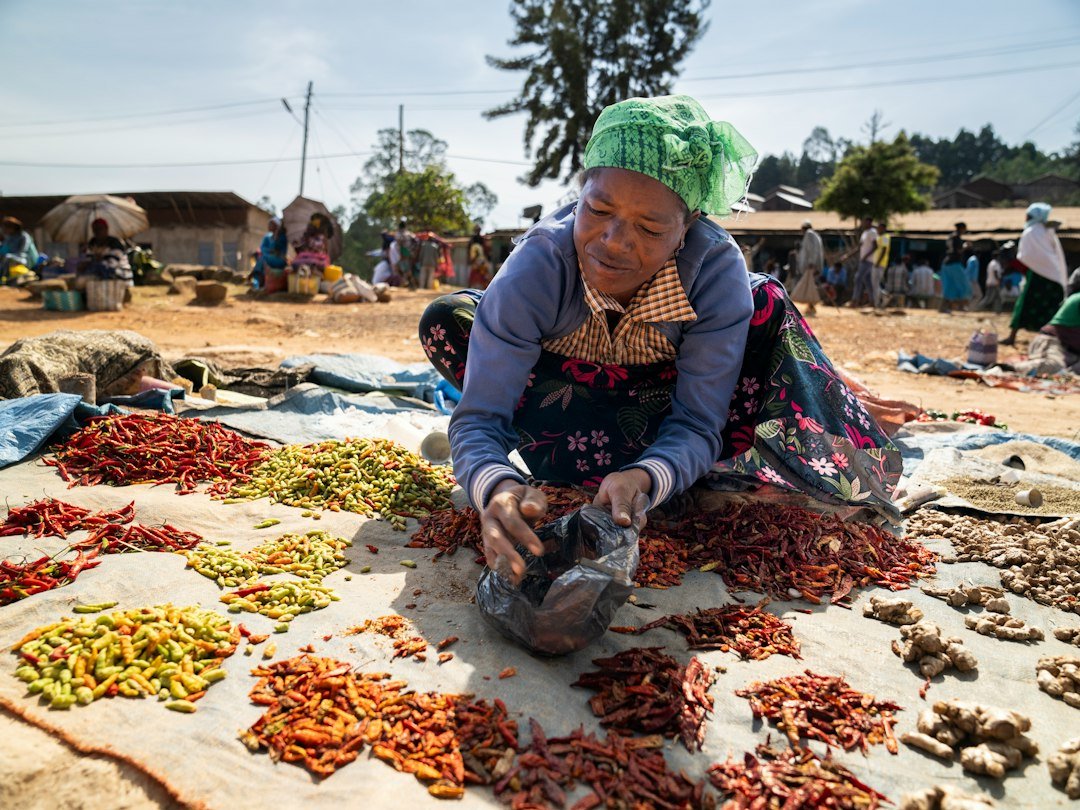
A new UNCTAD report quantifies the biodiversity trade gap between the regions richest in nature and those that profit most from it. Africa and Latin America and the Caribbean together hold nearly two-thirds of the world’s biodiversity. Yet the two regions captured just 14% of global biodiversity-based product exports in 2024. The mismatch runs through nearly every category the report tracks.
Africa’s own share stood at a mere 3%. Latin America and the Caribbean fared somewhat better, at 11%. Both figures sit far below what their natural wealth might suggest. The richest ecosystems generate among the smallest trade returns.
Global trade in biodiversity-based products reached $3.8 trillion in 2024, UNCTAD found. The report covers roughly 1,800 goods, from spices to natural fibres. That total equals 17.3% of all world merchandise trade, a sizeable slice of global commerce. European economies took home 49% of these exports, far from where most of that biodiversity actually exists. Developing countries overall captured about 35%. Asia alone accounted for 24% of the total, worth roughly $900 billion, outpacing Africa and Latin America combined.

Gum arabic shows where the value leaks
UNCTAD singles out gum arabic as a case study in how processing captures value that raw exports create. African countries export raw gum arabic at $2.28 per kilogram, the report states. They then import processed gum arabic products at $6.50 per kilogram. That is nearly three times the raw export price. The difference does not reflect the cost of growing or harvesting the material. It reflects where the processing happens, and who profits from it.
The gap mirrors a wider pattern across African and Latin American trade. Biodiversity-based goods make up 19% of Africa’s merchandise trade. For Latin America and the Caribbean, the share rises to 28%. Neither region has built the processing capacity to turn raw abundance into finished value. Exporters sell the ingredient. Importers sell the finished product, and keep the larger margin.
Finance adds another layer to the biodiversity trade gap. The Kunming-Montreal Global Biodiversity Framework estimates an annual funding shortfall of $700 billion worldwide. Environmentally harmful financial flows, by contrast, reached $7.3 trillion in 2023. That sum dwarfs the gap it helps sustain, UNCTAD notes, even as conservation funding falls short of what the framework says is needed.
Standards and tariffs weigh on producers
Voluntary sustainability standards, meant to reward responsible producers, often shift costs onto them instead. Producers alone bore implementation costs under 51 of the 87 voluntary standards UNCTAD examined. They also carried sole certification costs under 45 of 89 schemes reviewed. Compliance, in effect, becomes another expense borne disproportionately by growers rather than buyers.
Tariffs compound the problem for natural alternatives to plastic. Cotton, jute, hemp and paper face import duties of up to 16.1% in certain categories, the report found. Such barriers blunt demand for materials that might otherwise displace synthetic plastics in global supply chains, even as governments elsewhere promote reducing plastic use.
Some trends run counter to that pattern. Reported BioTrade sales reached nearly $50.5 billion, up from just $40 million in 2003. The sales figure covers revenue from companies and producer associations working under UNCTAD-linked certification schemes. Certified niche markets can grow even as the wider biodiversity trade gap persists elsewhere. Demand for verified, sustainably sourced goods is not absent. It remains small next to the scale of the overall imbalance.
The report lands weeks before the UN Biodiversity Conference, known as COP17, opens in Yerevan, Armenia, from 19 to 30 October 2026. Delegates there will debate how to close the financing gap the Kunming-Montreal framework identified. UNCTAD’s findings sharpen that debate, showing which regions still wait for trade rules that reward what they conserve rather than what they merely supply.



