
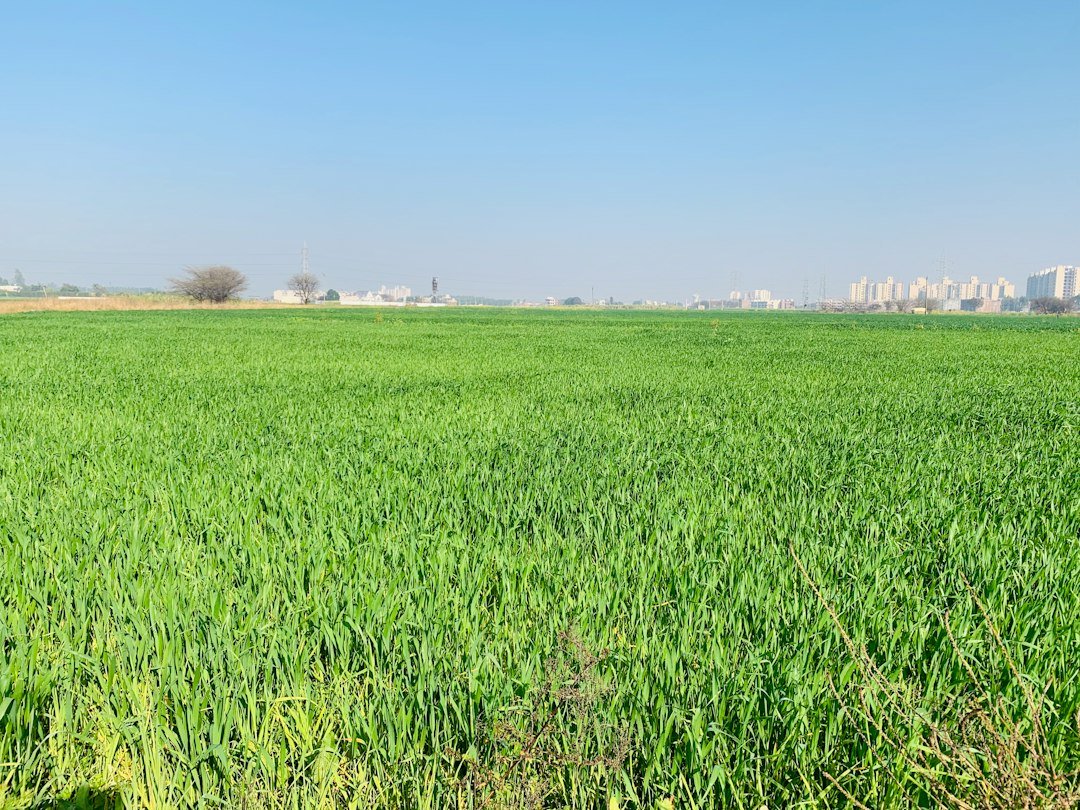
Pakistan’s certified wheat seed supply covers only 51% of what farmers need for the 2026-27 Rabi season, with roughly 612,000 tonnes available against a requirement of 1.19 million tonnes. Federal Minister for Food Security Rana Tanveer Hussain met private seed companies and the National Seed Development and Regulatory Authority (NSDRA) this month to press for lower prices and faster distribution before the sowing window closes.
The shortfall varies sharply by province. Sindh holds only 23% of the certified seed it needs for the season, while Khyber Pakhtunkhwa has just 7%, leaving farmers in both provinces heavily exposed to delayed planting or reliance on uncertified seed of uncertain quality. Punjab, Pakistan’s largest wheat-growing province, carries the bulk of the available national stock, which complicates efforts to move seed to the provinces facing the steepest gaps.
Rana Tanveer Hussain asked private seed companies to reduce prices and called for smoother inter-provincial seed movement, arguing that bureaucratic friction between provinces was slowing supply to areas that needed it most. Rabi season sowing, which covers wheat, Pakistan’s largest staple crop, typically runs through late autumn, giving authorities a narrowing window to close the gap before yields are affected by late planting.

Pressure on private seed companies
The minister’s meeting placed direct pressure on private seed companies, which have expanded their share of Pakistan’s certified seed market in recent years as public sector seed corporations have struggled to keep pace with demand. Certified seed, verified for germination rate and genetic purity, typically commands a premium over seed farmers save from their own harvests or buy informally, a premium that becomes harder for smallholders to absorb when overall availability is tight.
Pakistan’s wheat sector carries outsized importance for national food security, since wheat underpins both rural livelihoods and urban bread supply across the country. A shortfall in certified seed does not necessarily halt sowing outright, but it typically pushes farmers toward uncertified or recycled seed with lower yield potential, a substitution that can suppress national output even when sown area holds steady.
Smallholders in Sindh and Khyber Pakhtunkhwa face the sharpest version of this trade-off, given how far their certified seed stocks fall below the national average. Farmers who cannot secure certified seed in time often turn to grain held back from a previous harvest, which tends to carry weaker disease resistance and lower germination rates than seed multiplied specifically for planting. That gap compounds the pressure already placed on provincial agriculture departments to coordinate with federal authorities on distribution before the sowing window narrows further.
A wider regional pattern
Pakistan’s seed shortage sits alongside a broader regional conversation about wheat seed security, as countries across the wheat belt weigh how to get improved genetics into farmers’ hands at scale. Morocco’s agricultural research establishment, for instance, has recently highlighted field results for a new drought-tolerant durum wheat variety. That breakthrough underscores a wider point: breeding gains elsewhere carry limited value unless certified seed supply chains can deliver them to farmers on schedule, a challenge Pakistan is confronting in real time this Rabi season.
The NSDRA’s involvement points to the regulatory dimension of the shortage, since certification standards determine which seed lots can legally be marketed as certified stock. Inter-provincial seed movement restrictions, often rooted in biosecurity or revenue concerns, have long complicated efforts to redistribute surplus seed from provinces with stronger stock positions to those facing shortfalls. Whether the minister’s intervention translates into lower prices or faster movement will depend on how quickly private companies and provincial authorities respond, with the sowing calendar leaving little room for prolonged negotiation.



