
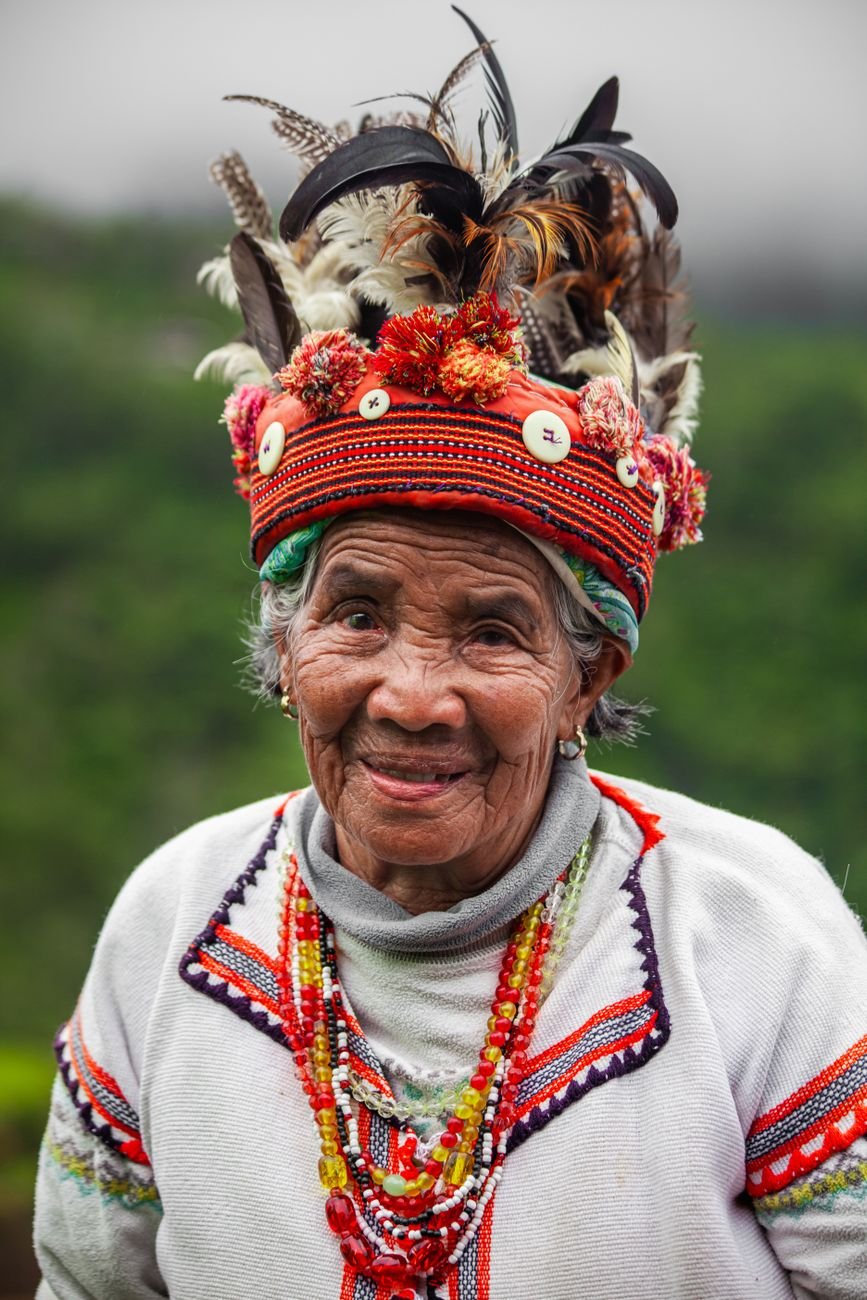
Leaders from the Kirinteken-Ilentungen Menuvu have taken a long-running land dispute to a United Nations forum. The Menuvu are an indigenous community in Bukidnon, on the southern Philippine island of Mindanao, and their dispute is with a banana exporter. They argue that carbon and biodiversity credits linked to the company’s operations are being generated on contested ancestral territory.
The claim was raised during a dialogue at the 17th Conference of the Parties to the UN Convention on Biological Diversity in Yerevan, Armenia. Astrid Puentes, the UN Special Rapporteur on the Human Right to a Healthy Environment, was present. Leon Dulce is campaigns support and linkages coordinator for the Legal Rights and Natural Resources Center, which supports the community. He told the forum that the company, Kennemer Foods International, had benefited from carbon and biodiversity credits. According to Dulce, one of its plantations sits on land the Menuvu regard as their own.

A dispute rooted in conflicting land titles
The land at the centre of the dispute, known as Sezukadang, has a tangled paper trail. A collective land title was issued to non-indigenous beneficiaries by the Department of Agrarian Reform in 2011. Those beneficiaries then leased the area to Green Arrow Agriventures, a Kennemer subsidiary that operates the plantation. The Menuvu, meanwhile, hold a Certificate of Ancestral Domain Title covering 23,200 hectares in the area, issued in 2016. Community representatives say roughly 19,000 hectares of their recognised ancestral land were omitted from maps used in the dispute. They attribute this to a mapping error by the National Commission on Indigenous Peoples.
Kennemer has maintained that the disputed plantation area falls outside its approved ancestral domain boundary and that it operates under valid leases. The company’s position puts it at odds with community leaders, including tribal chieftain Datu Benjie Ompigan. He has pressed the case through both the agrarian reform agency and the indigenous peoples’ commission.
Community members describe a pattern of health complaints they attribute to aerial pesticide spraying over the plantation. These include skin and respiratory problems concentrated among women and children. Community members also say well water in the area turned milky white and unsafe to drink. Dulce told the UN forum that advocates “continue to document epidermal and respiratory problems especially among women and children” in the area.
Fencing attempts and two deaths since 2020
Tensions have escalated at points over several years. The Legal Rights and Natural Resources Center has documented attempts by the plantation operator to fence community members off disputed land. One such attempt took place in May. The group also says at least three harassment cases have been filed against Menuvu members. Separately, the group’s reporting links two deaths of tribal chieftains, known as datus, since 2020 to the broader conflict. The circumstances of those deaths have not been independently established.
The Mindanao case is one of 27 that the Legal Rights and Natural Resources Center documented nationwide. A 2025 study by the group covered ancestral-domain conflicts across the Philippines. It estimated that 2.8 million hectares, or 51% of land covered by formal ancestral domain titles, potentially overlaps with mining, plantation, energy or infrastructure projects. Dulce argued that the regulatory system has not kept pace with those overlapping claims. He told the Yerevan meeting there are “no regulatory hard stops” preventing projects tied to biodiversity financing from advancing on contested land.
Puentes invited environmental defenders at the dialogue to submit further documentation for her forthcoming reports. She also reminded national governments of their obligation to place human rights at the centre of biodiversity conservation policy. Puentes did not comment directly on the Menuvu case.
The dispute lands as conservation financing expands elsewhere, including Kenya’s new $160m deal to protect Tsavo and the Maasai Mara, underscoring how unevenly such schemes are being received by the communities living on the land involved.



