
Nepal will expand flood early warning systems to six river basins and lower water levels in four high-risk glacial lakes, the government announced on 25 October. The plan follows floods on 26 August that killed about 1,500 people and left more than 5,000 missing, with physical damage estimated at $1.81 billion in a preliminary government assessment.
The announcement came from the Centre for Hydrology and Water Resources Research and the Department of Hydrology and Meteorology, which together serve as secretariat to the Ministry of Energy, Water Resources and Irrigation, Xinhua reported from Kathmandu.
Two projects, two different risks
The first initiative, called Priority River Basins Flood Risk Management, runs from 2022 to 2028 with a $7.54 million budget. It will install round-the-clock forecasting and early warning across six basins from mid-May to mid-October, covering the monsoon season when Nepal’s rivers are most dangerous.
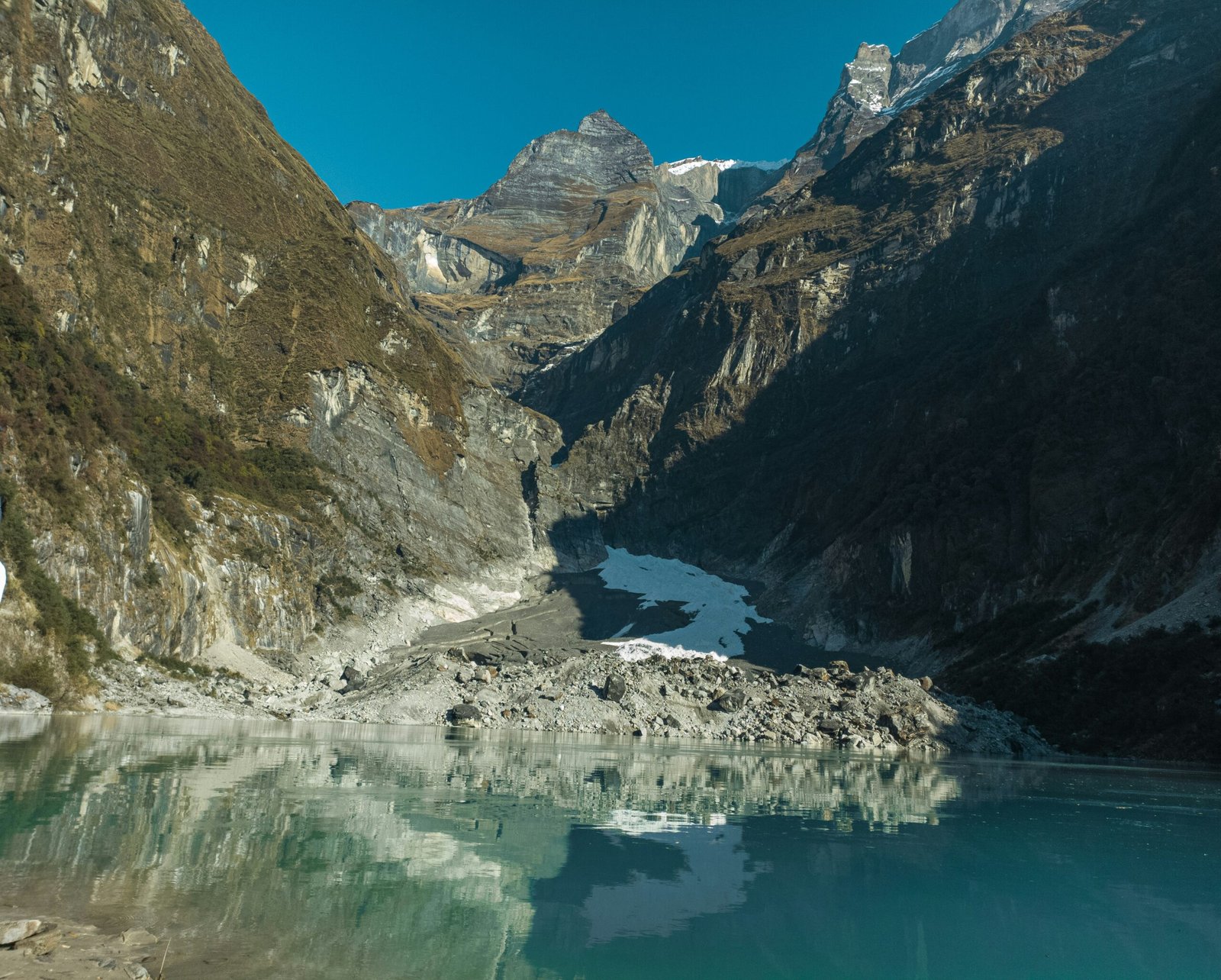
The second, the GLOF Sanjeevani Project, targets glacial lake outburst floods specifically. Running from 2026 to 2033 at an estimated $49.9 million, it will lower water levels in four lakes identified as high-risk: Thulagi in Manang district, Lower Barun in Sankhuwasabha, and Lumding Tsho and Hongu-2 in Solukhumbu. The work builds on earlier lake-lowering projects at Tsho Rolpa and Imja Lake, both in eastern Nepal.
Rising Himalayan temperatures are accelerating glacier melt and destabilising these lakes, according to the IANS report carried by Social News XYZ. The August floods hit the Bhotekoshi and Trishuli river basins hardest, damaging hydropower plants, solar installations, transmission lines and roads; hydropower was the single worst-affected sector.
Betting on better forecasts
The Department of Hydrology and Meteorology also plans to invest in artificial intelligence, machine learning and high-performance computing to sharpen forecast accuracy, both reports noted. Neither outlet carried direct quotes from officials, but the scale of the commitment, nearly $60 million across both projects, signals how seriously Kathmandu is treating a risk that is rising with every fraction of a degree of regional warming.
For Nepal’s hill farmers, glacial lake floods are not an abstract climate statistic. A single outburst can scour away terraced fields, livestock and irrigation channels built up over generations in minutes. The 2026 floods already disrupted food production and supply lines in several districts, compounding losses from the disaster itself.
The plan’s success will depend on execution over the next two to seven years, a long runway for a country where mountain infrastructure projects routinely face funding and terrain delays. Whether the warning systems are in place before the next monsoon, rather than the one after, may determine how many of the next floods are remembered as disasters rather than near-misses.



