
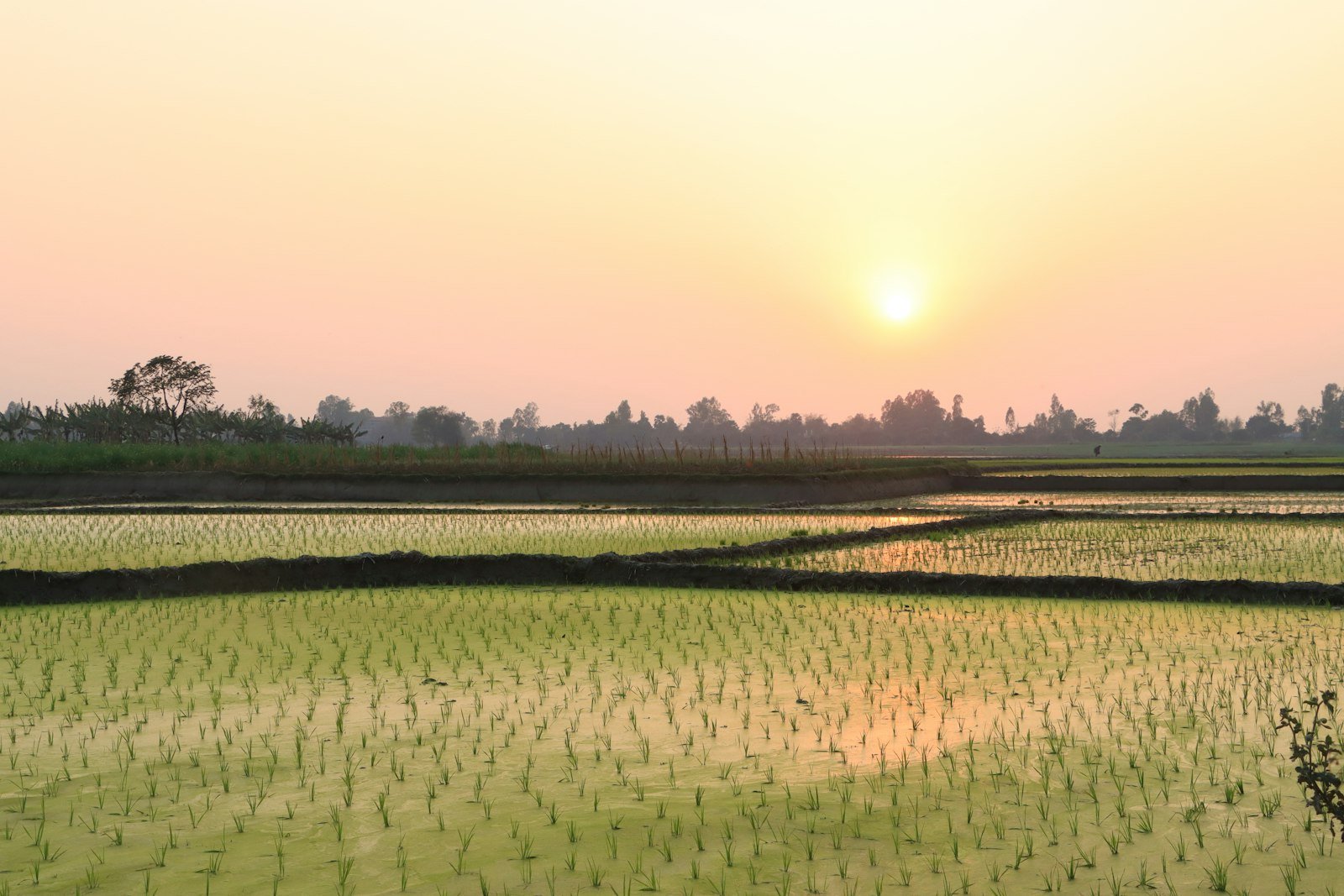
President Ferdinand Marcos Jr opened the Philippines’ biggest solar-powered irrigation project on 26 October. The scheme sits in Cagayan province and cost 98.6 million pesos, about $1.55 million. It will serve roughly 600 hectares of farmland and 307 farmers. The National Irrigation Administration built it, as part of a wider push to replace diesel pumps with solar power across the country’s farm belts.
The Cagayan system waters rice and corn fields. Those fields used to rely on diesel generators or rainfall alone. Both leave yields exposed to fuel price swings and dry spells. A solar pump removes the recurring fuel cost. Once installed, it needs little beyond routine upkeep. Officials called this a direct saving for farmers already squeezed by rising input costs.
Marcos has pushed for a nationwide solar irrigation rollout since the start of October. He frames it as protection against both fuel price shocks and the drought that has hit several Philippine regions this year. The National Irrigation Administration already runs smaller solar systems in Bulacan and Nueva Ecija, part of the same drive. Each new opening adds to a patchwork of projects the agency hopes will eventually cover much of the country’s irrigated farmland.

Three hundred farmers, one shared system
The 307 farmers in Cagayan will draw from a shared irrigation network, not individual pumps. The National Irrigation Administration says this shared model lowers the cost per farmer, compared with installing separate solar systems on each plot. Officials have not disclosed the system’s expected lifespan or the annual fuel cost it replaces. Solar irrigation elsewhere in the country has been promoted on a simpler claim: it pays back its installation cost within a few years through avoided diesel spending.
Cagayan has faced erratic rainfall in recent growing seasons. Farmers there swing between flooding from tropical storms and dry stretches that cut into both rice and corn harvests. A reliable irrigation supply, independent of grid power or fuel deliveries, should reduce that exposure. But the benefit still depends on water reaching the source. The pump itself cannot create water that is not there.
Part of a wider rollout
The Cagayan launch follows a string of smaller solar irrigation openings across the Philippines this October. The National Irrigation Administration says more are planned, as the government tries to cut the farm sector’s reliance on imported fuel. The agency has not published a national target for how many hectares it wants converted to solar irrigation. Nor has it set a timeline for the wider rollout Marcos has called for. For now, each project is announced and opened individually, province by province, rather than as part of one published national plan.
The push comes as the Philippines counts the cost of this year’s El Nino-linked dry spells. The Department of Agriculture says these have already destroyed billions of pesos worth of crops across the country’s regions. Solar irrigation cannot insulate farmers from drought itself, since it still needs water to reach the pump. But officials argue it removes one layer of cost and uncertainty from farming, at a time when input prices and weather risk are both working against smallholders.
A smaller version of the same bet is under way in Egypt. There, the startup NoorNation has just raised fresh funding for pay-per-use solar irrigation. Both projects rest on the same wager: that sunlight, unlike diesel, carries no price risk once the hardware is paid for. Sun is free once the panels go up. That cost math is simple, and it is hard to argue with once farmers see their first bill drop.



