
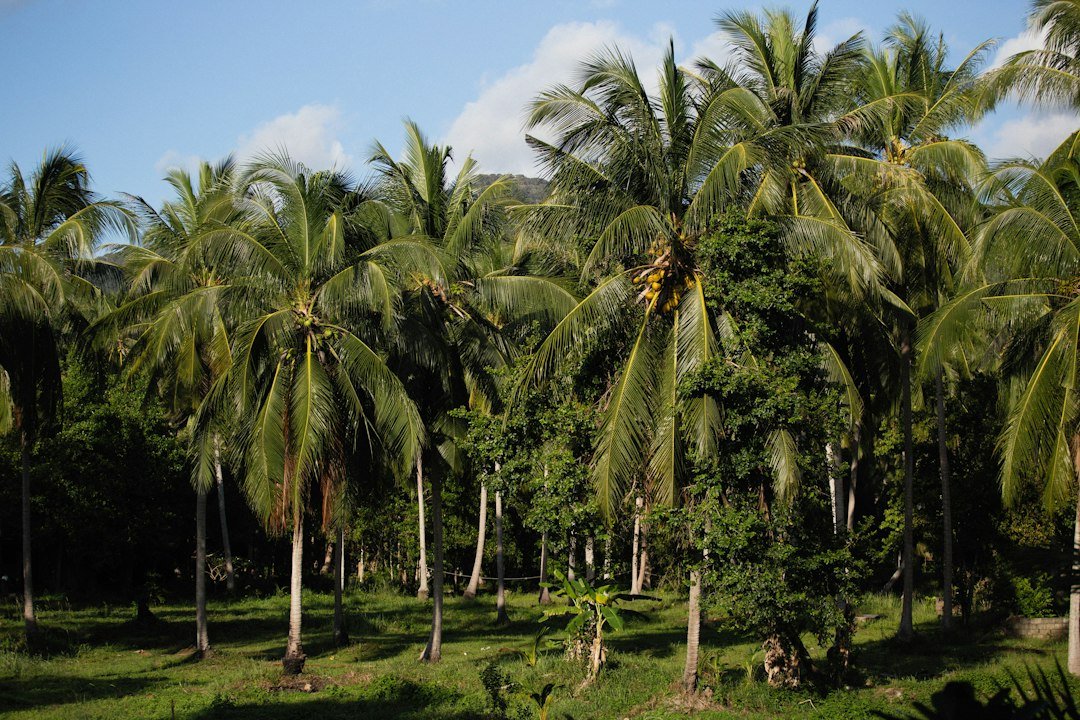
Indonesia has cut its export duty on crude palm oil for November 2026. Trade publications linked the move to rising shipment volumes and a push to keep the country’s exporters competitive in a tightening global cooking-oil market. The adjustment applies to crude palm oil and several of its derivatives, which make up one of Indonesia’s largest single export categories by value.
Indonesia and Malaysia together supply most of the world’s palm oil. It is a staple cooking fat across South and Southeast Asia, the Middle East and parts of Africa, as well as a key ingredient in packaged food and cosmetics manufacturing. Jakarta adjusts its export levy on a rolling monthly basis, tying the rate to a reference price that tracks international crude palm oil markets closely.
A lever Jakarta uses often
The duty functions as a flexible tool for Indonesian policymakers. They raise it when they want to capture more revenue from high world prices, or to discourage excess exports that could tighten domestic cooking-oil supply. They lower it when they want to support exporter margins or respond to softer demand elsewhere. November’s cut suggests officials judged that keeping shipments flowing mattered more than maximising levy revenue this particular month.

Palm oil’s reach into everyday diets across the Global South makes these monthly adjustments more consequential than a typical trade-policy tweak. A lower export duty can ease pressure on international prices just as readily as it boosts Indonesian exporter revenue. That is because it changes how much Indonesian palm oil costs once it reaches ports in India, Pakistan, Kenya or Egypt, all major importers of the commodity.
Climate and acreage pressures in the background
The duty cut comes as Indonesia’s palm sector navigates separate pressures from its own replanting programme, land-use rules tied to deforestation commitments, and competition from Malaysian output. Indonesia has previously flagged plans to grow palm oil production through replanting ageing trees rather than clearing new land. That distinction matters for countries and buyers increasingly scrutinising supply chains for deforestation risk under rules such as the European Union’s deforestation regulation.
Smallholders account for a substantial share of Indonesian palm oil production alongside large plantation companies. That means changes to the export duty filter through to household income in palm-growing provinces on Sumatra and Kalimantan, not just to corporate exporters. Lower duties can support the price mills pay smallholders for fresh fruit bunches, though the pass-through is rarely immediate or complete in practice.
Analysts tracking Southeast Asian edible-oil markets say Indonesia’s monthly duty recalibrations have become more frequent in recent years. Global vegetable-oil prices are swinging more sharply, partly in response to weather disruption affecting competing oils such as soybean and sunflower. November’s cut, by that reading, is less a one-off policy shift than routine fine-tuning of a lever Jakarta now adjusts almost every month to keep its palm oil competitive abroad while managing supply at home at the same time.
Malaysia, the world’s second-largest producer, watches Indonesia’s monthly duty decisions closely, since the two countries’ export policies influence each other’s competitiveness in shared markets. Traders say a widening gap between the two nations’ effective export costs can shift buyer orders from one origin to the other within a matter of weeks, long before any annual trade data captures the change.


