
Digital Africa, the early-stage investment arm of the French development finance institution Proparco, has made its first commitment inside Ethiopia, backing ChipChip, a social buying app that groups orders from smallholder farms and local suppliers into bulk purchases for buyers across the country. The size of the investment was not disclosed, and no other investors were named alongside Digital Africa in the round. The deal extends a fund that has, since 2024, repositioned itself from a general co-development programme into a dedicated backer of African tech startups at the earliest stages of growth.
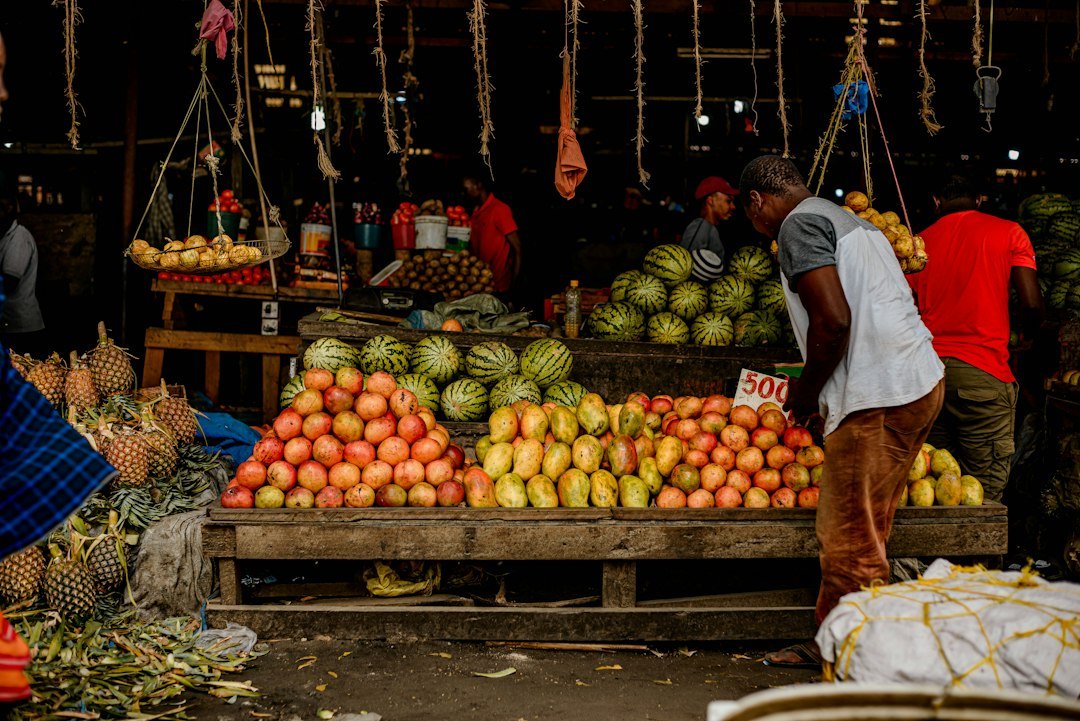
Founded in 2023, ChipChip works on a simple premise: a buyer opens a group order for a particular product, shares the link with friends, family or neighbours, and once enough people join, the order is confirmed at a discounted price and delivered to the lead buyer’s door. Group organisers can earn rewards for pulling together enough orders to unlock a bulk rate. The produce itself is sourced from local farms and suppliers rather than imported wholesalers, and the app is available on both iOS and Android, putting a digital storefront in front of buyers who might otherwise rely on word of mouth.
Sokhna Mbaye, an investment associate at Digital Africa, said ChipChip’s team combined the technical skill and on-the-ground market knowledge of Ethiopia’s food trade needed to scale a model like this. Bruk Getahun, ChipChip’s co-founder and chief marketing officer, said the new capital would let the company deepen its data on farmer supply and buyer demand while widening its network of both producers and business-to-business buyers across the country.

Closing the gap between farm and buyer
The investment fits a wider pattern of money moving into Ethiopia’s fragmented food distribution system, where smallholder farmers typically sell through several layers of middlemen before produce reaches an urban buyer, losing a sizeable share of its final value along the way. Poor market information compounds the problem on both ends: farmers often cannot tell which buyers want their crop and in what volume, while buyers cannot always verify where their food is coming from or whether a cheaper, closer source exists. ChipChip’s platform is built to narrow that gap by using order and delivery data to match supply with demand more precisely, in theory cutting the farmer’s losses from unsold produce and the final price a household pays.
A seed fund with pan-African reach
Digital Africa was created to build a co-development partnership between Africa and its international backers, and in May it launched the DA Seed Fund, a pan-African vehicle targeting €30m to €50m, about £26m to £43m at current exchange rates, for tech-enabled startups moving from Pre-Seed through to institutional-round stage. ChipChip’s deal is the fund’s first commitment inside Ethiopia specifically, and comes as investors elsewhere on the continent increasingly look past app downloads toward the harder question of whether a platform can actually move physical goods reliably and profitably at scale.
Neither side disclosed user numbers, order volumes or revenue, and it remains to be seen how quickly ChipChip can expand its business-to-business buyer base beyond its current one. In a sector where thin margins and unreliable logistics have sunk earlier social-commerce ventures across the continent, the company’s next test is whether group buying can hold down prices for ordinary households while still paying farmers a fair and dependable share of what their crops are worth.
ChipChip’s wager on data-driven matching has an echo elsewhere in food tech this week: in Dubai, a vertical farm supplying the city’s hotels is using similar forecasting models to match microgreen harvests with buyer demand, suggesting investors and operators in very different markets are converging on the same bet that better data, not just more capital, is what food supply chains need most.


