
Six farmers and agripreneurs from Meghalaya have received the Krishi Gaurav Samman 2026, recognising work ranging from reviving indigenous millet varieties to building markets for traditional spice crops.
The awards were presented on Saturday 31 October at the Academic Assembly 2026, held at the College of Post Graduate Studies in Agricultural Sciences (CPGSAS), Central Agricultural University, in Umiam, Ri-Bhoi district. The event, organised jointly by the Purvottar Janajati Shiksha Samiti and CPGSAS, drew about 375 registered participants and was built around weaving indigenous knowledge and culture into education under the National Education Policy 2020.
The winners were Chekjing Sangma of Sadolpara, West Garo Hills, for pioneering modern millet farming; Darapbiang Mulieh of Khanduli, West Jaintia Hills, for millet value-addition; Sitrian Surong, also of Khanduli, for preserving Meghalaya’s traditional millet heritage; Trinity Saioo of Mulieh village, West Jaintia Hills, known as the “Lakadong Lady of Meghalaya” for championing indigenous Lakadong turmeric; Jemnud Marpan of Thadnongniaw village, Ri-Bhoi, for conserving indigenous crops and agricultural biodiversity; and Midat M Binau, a Professor of Practice at Manipur University based in Marngar, Ri-Bhoi, for turning traditional spice crops into opportunities in wider markets.

Turmeric’s rising profile
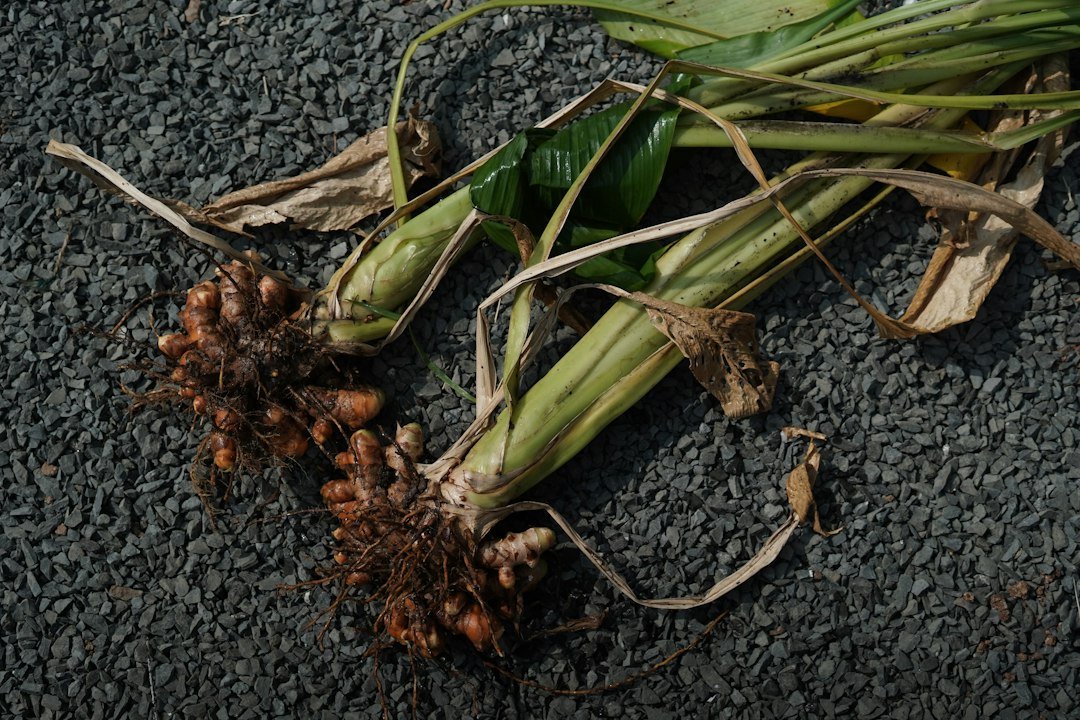
Saioo’s award spotlights Lakadong turmeric, a variety grown in the Jaintia Hills already prized by buyers for its deep colour and potency, and increasingly promoted as one of Meghalaya’s most recognisable agricultural exports. Her recognition as the “Lakadong Lady” reflects years spent championing the crop among smallholders, at a time when state and union government schemes have begun pushing north-eastern spice varieties toward wider domestic and export markets.
Alongside turmeric, the millet-focused awards to Sangma, Mulieh and Surong point to a parallel push to keep traditional grains in cultivation, from growing them to adding value through processing and preserving local varieties that might otherwise be lost to more commercial crops.
Indigenous knowledge in the classroom
The ceremony’s setting, inside an academic assembly built around NEP 2020’s emphasis on indigenous knowledge, framed the farmers’ work as a teaching resource as much as an agricultural achievement. Marpan’s recognition for conserving indigenous crops and biodiversity, and Binau’s for linking spice cultivation to global markets, were both presented as examples of practical knowledge the university hopes to fold into agricultural education in the region.
Organisers did not detail what, if any, institutional support — funding, extension services or market linkages — accompanies the award itself, beyond the public recognition given to each winner at the ceremony.


