
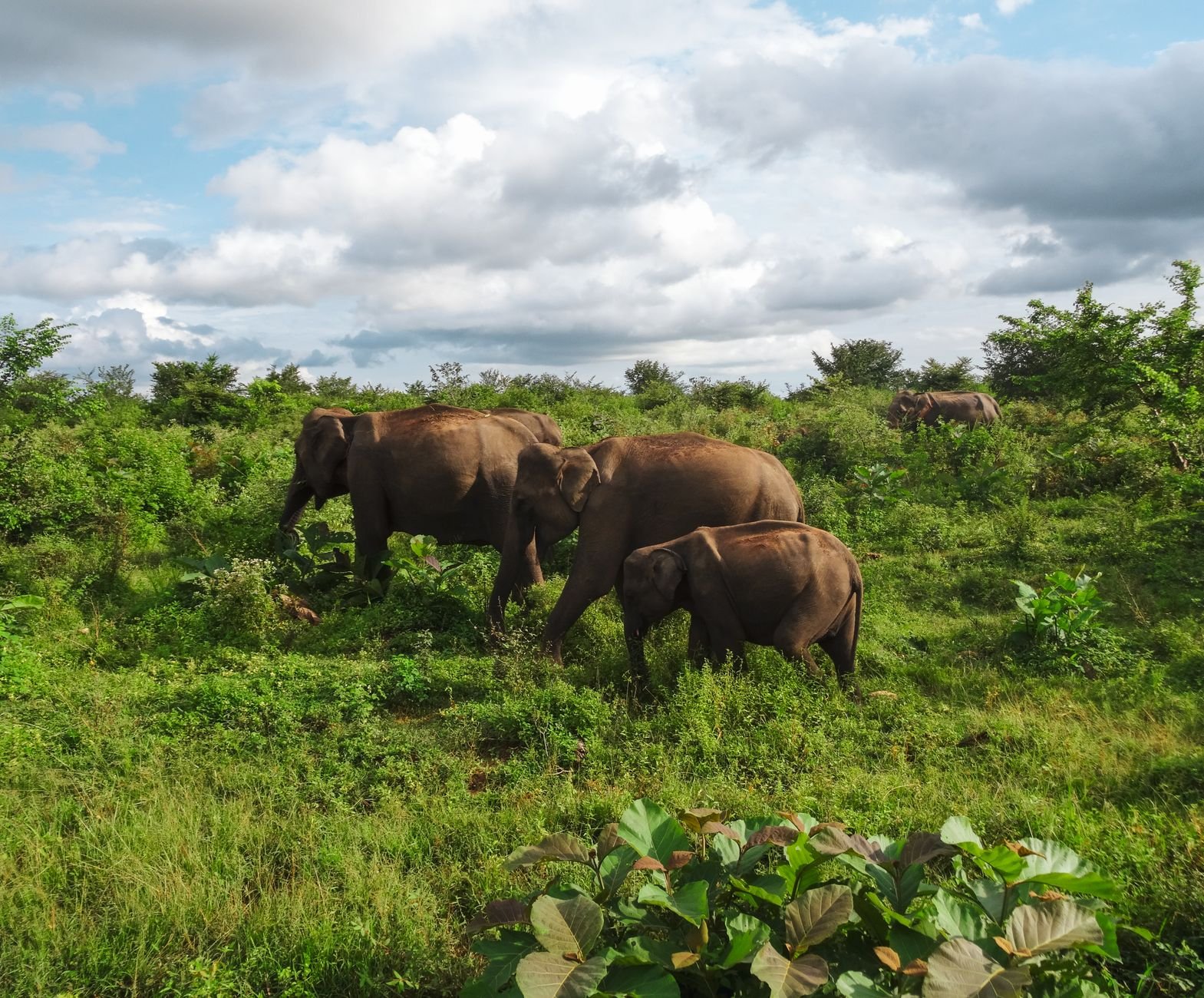
India’s Supreme Court has ordered a fresh, nationwide elephant corridors survey. It gives India’s Ministry of Environment, Forest and Climate Change until 14 October 2026 to explain what is obstructing movement along each of the country’s 150 identified routes. Chief Justice Surya Kant authored the order in late August 2026. It also bans several coercive methods long used to drive elephants away from farms and villages. Corridors are the narrow strips of habitat that link larger forest blocks, allowing elephant herds to move between feeding grounds without passing through farmland or settlements.
The order prohibits fireballs, mashaals and other fire-based deterrents used to scare elephants away from settlements. It also outlaws hulla parties, groups formed to chase elephants off farmland that have sometimes used spiked rods and flaming projectiles. “Construction of any kind of obstacle or creating blockades in elephant corridors is not acceptable,” Chief Justice Kant said. The remark underlined the court’s intent to treat corridor protection as a binding legal requirement.
Government figures cited in the case classify 15 of India’s 150 identified corridors as impaired, and show 29 with declining elephant use. Most corridors lie outside formally protected forest land, leaving them exposed to encroachment and construction pressure. The case drew on the death of a pregnant elephant in West Bengal in 2024, killed after an attack by a hulla party, as part of its background. Elephants hold Schedule 1 status under India’s wildlife law, the country’s highest protection tier for any species.

Farmers on the forest edge face the fallout
The Ministry’s response, due by 14 October 2026, will need to identify which obstructions can realistically be cleared. Some obstructions reflect settled agricultural or urban land use that cannot simply be reversed. Conservationists have long argued that corridors only work if they stay connected end to end. A single blocked stretch can cut elephants off from seasonal water sources, food or breeding grounds, pushing them into farmland and villages instead.
The ruling matters well beyond the corridors it names directly. Human-elephant conflict is a recurring challenge across India’s forest-fringe farming communities. Kerala and the wider Western Ghats region face their own long-running version of it, with crop damage and safety concerns a persistent feature of life near forest boundaries. Removing hulla parties and fireballs takes away tools some communities have relied on for years, even as the elephant corridors survey aims to keep migration routes usable for a species that needs large, connected ranges to survive.
This ruling cites no new incidents in Kerala, but the state’s exposure to human-elephant conflict means people there, and in the northeast and central India where most of the affected corridors lie, will watch its effects closely. A related tension is unfolding nearby too. Fourth Plate is separately covering Kerala’s dispute over a proposed Western Ghats Ecologically Sensitive Area, where hill farmers in high-range districts fear new conservation rules will restrict routine agricultural activity, a reminder that conservation and livelihoods keep colliding at the forest edge.