
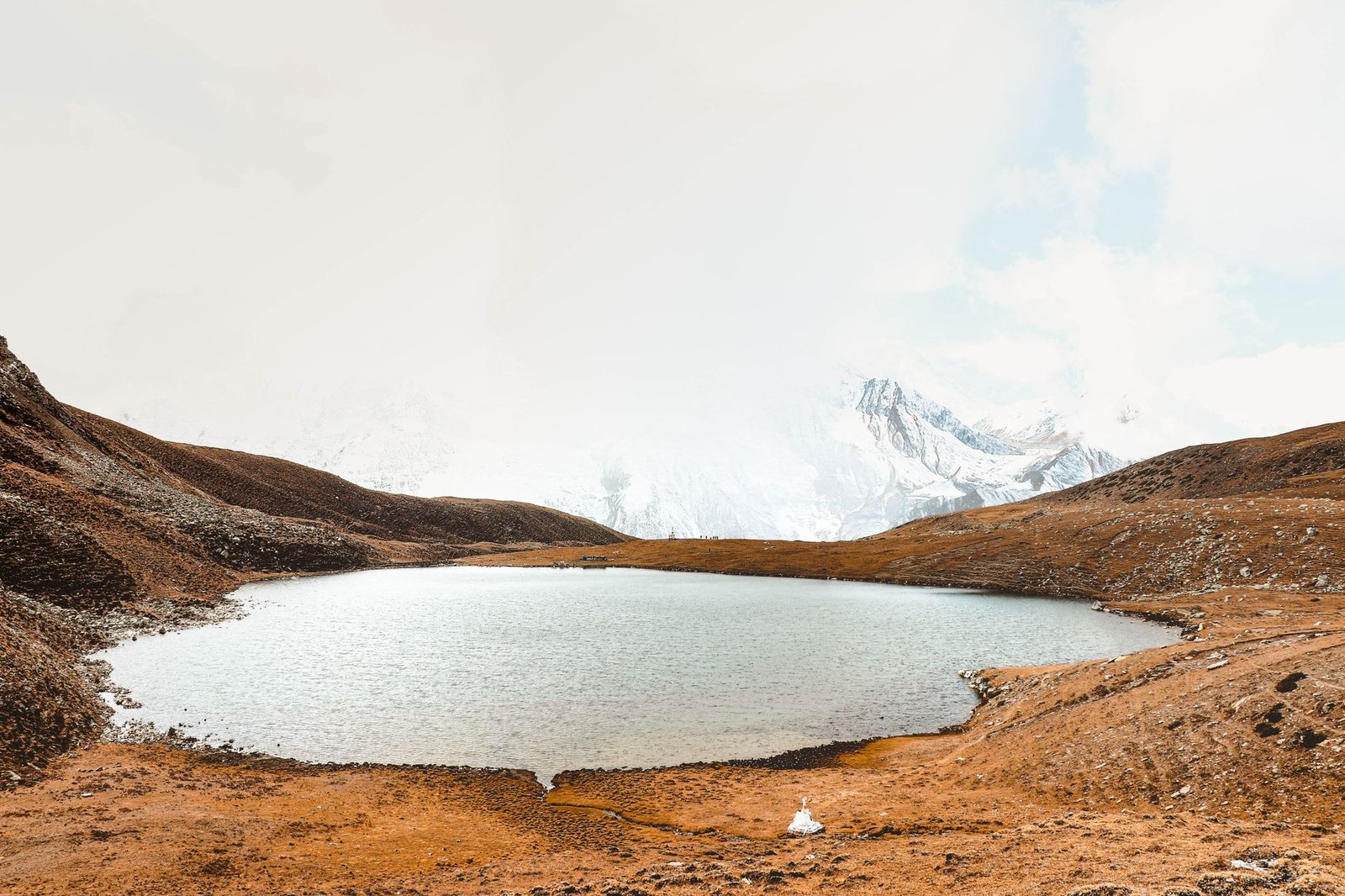
Nepal faces a slow-motion emergency, scientists say. The International Centre for Integrated Mountain Development counts around 200 dangerous glacial lakes across the Hindu Kush Himalaya. Nepal’s own priority list names 47 lakes that need close watching, 21 of them inside Nepali territory. Five lakes draw the most urgent attention: Lower Barun, Thulagi, Lumding Tsho, Tsho Rolpa and Imja Tsho. Each sits high above a populated valley, feeding rivers that thousands of households rely on for drinking water, irrigation and, increasingly, hydropower generation.
The risk is not theoretical. A glacier collapse in the Lhende Khola valley in August 2026 killed 903 people, the deadliest such event in the region in years. A year earlier, a supraglacial lake burst killed at least nine people and destroyed the Miteri Bridge, a vital river crossing. Two glacial lakes burst near Thame village in 2024. In 2016, the Gongbatongshacuo lake breach on the Nepal-Tibet border caused damage estimated at $70 million (roughly £53 million). Each event has followed a similar pattern. A lake fed by glacial meltwater grows through a season of unusually warm temperatures, then fails suddenly, sending water, rock and ice down a valley with little warning.
Only two lakes have been made safer
Of the five highest-priority lakes, only two have had physical mitigation work. Engineers lowered Tsho Rolpa’s water level by about 3 metres, starting in 2000. They lowered Imja Tsho by roughly 3.4 metres in 2016, a project credited with protecting an estimated 71,752 people in the Everest region below it. The other three lakes on the list, Lower Barun, Thulagi and Lumding Tsho, remain unmitigated. The engineering work is both costly and difficult at altitudes above 4,500 metres, where heavy equipment struggles to reach.

Nepal’s exposure is compounded by geography. Settlements, hydropower stations and trade corridors sit concentrated in narrow valleys directly beneath these lakes. That leaves little room to retreat when a glacial lake outburst flood, known as a GLOF, sends a surge downstream. Nepal’s broader glacial lake count runs between 2,070 and 3,000, depending on how researchers define a lake’s minimum size. Of the 47 priority lakes, 25 sit across the border in Tibet, where Nepali agencies have limited ability to install monitoring equipment.
Warming trajectories raise the stakes
Climate projections sharpen the urgency. Research cited by regional scientists suggests the Hindu Kush Himalaya could lose roughly half its glacier volume by 2100, if warming holds near 2°C. That loss could reach 75% to 80% in the eastern Himalaya under a hotter, 3°C-plus trajectory. More glacier melt feeds more lake formation. More lake formation raises the odds of further bursts in valleys that are already short on warning systems.
The risk is not confined to the mountains themselves. Floods that begin as glacial bursts travel downstream into agricultural valleys. They eventually reach the river systems that feed food production and water supply across the wider region. That includes neighbouring Bangladesh, where 15.3 million people are already classified as facing acute food insecurity this year. International funding for mitigation has so far covered only the two lakes judged most urgent decades ago. The rest of the priority list relies on future donor commitments that have not yet materialised at the scale scientists say the risk now warrants. Mitigation funding, regional scientists argue, needs to move faster than the glaciers are melting. Each additional year of delay, they say, adds a further lake to the list of hazards mountain communities now live beneath without warning systems of their own.