
This is a story woven from two distinct threads: the struggle of Kancheepuram’s traditional sari weavers fighting for survival, and the inspiring journey of a woman who, while battling Mixed Connective Tissue Disorder, is helping these artisans reclaim their market through digital innovation.
Perungattur is just another village of about 5,000 people, some 25 kilometres from Kancheepuram, the land of the thousand temples and the land of silk saris.
Kancheepuram’s silk-weaving tradition dates back to the Pallava dynasty in the 7th century CE, flourishing under the patronage of various rulers including the Cholas and the Vijayanagara Empire. According to Hindu mythology, Kancheepuram’s weavers are believed to be descendants of Sage Markanda, the “Gods’ Master Weaver,” who wove cloth from lotus fibers for deities. They still weave the saris for the Kamakshi Amman temple, one of the centres of ‘Shakti.’
It is hard to imagine that among these simple homes, some of the world’s priciest silk saris are hand woven, a process that demands extraordinary physical resilience. Studies show that 86.67% of weavers suffer from chronic back pain, 70% experience eyesight problems, and many battle dust allergies and joint pain.
Yet they persist, using a unique “double warp” technique where each thread consists of three single threads – sometimes more – twisted together, making the saris remarkably strong and durable.
This craftsmanship, combined with strict quality standards mandated by the Geographical Indication (GI) tag, which requires 57% silver and 0.6% gold in the zari work (or 40% silver and 0.5% gold as per Tamil Nadu government regulations), has helped build an industry with an annual turnover exceeding Rs. 200 crores. Yet, these big numbers hardly reach the weavers.
Across Kancheepuram’s approximately 60,000 silk looms, nearly 50,000 weavers continue to carry forward this ancient tradition, each creating masterpieces with intricate temple borders, checks, stripes, florals and motifs of peacocks, elephants, and other symbols drawn from temple architecture and mythology.
In this village lives Babu Perumal, a master weaver whose skilled hands have been crafting saris for as long as he can remember, continuing a legacy passed down through two generations.


Despite witnessing unsurmountable challenges, including a total wipeout of his business that once reduced his existence to a one-room house, his spirit remains unbroken.
Many moons ago, Perumal was among the master weavers who collected hand-woven saris from fellow artisans to sell to big traders in Kancheepuram. The compensation was fixed: about INR2,500 (less than US$30) for a Kanchipuram silk saree that could command anywhere from 5 to 30 times more in the market.
When traders denied payments, citing stock backlogs and sales declines, Perumal and his fellow weavers limped into extreme hardship and their business dying a slow death.
Their fortune changed unexpectedly with the COVID-19 pandemic, thanks to a remarkable woman from Nellore, Andhra Pradesh – Gowthami Singiri.
Gowthami’s own story is one of extraordinary resilience. Seven years ago, she was diagnosed with Mixed Connective Tissue Disorder (MCTD), a rare autoimmune condition that turned her life upside down. Her body began failing her: walking became a struggle, her skin developed salt-and-pepper pigmentations and her fingers started deforming and some wilting down like weathered leaves.
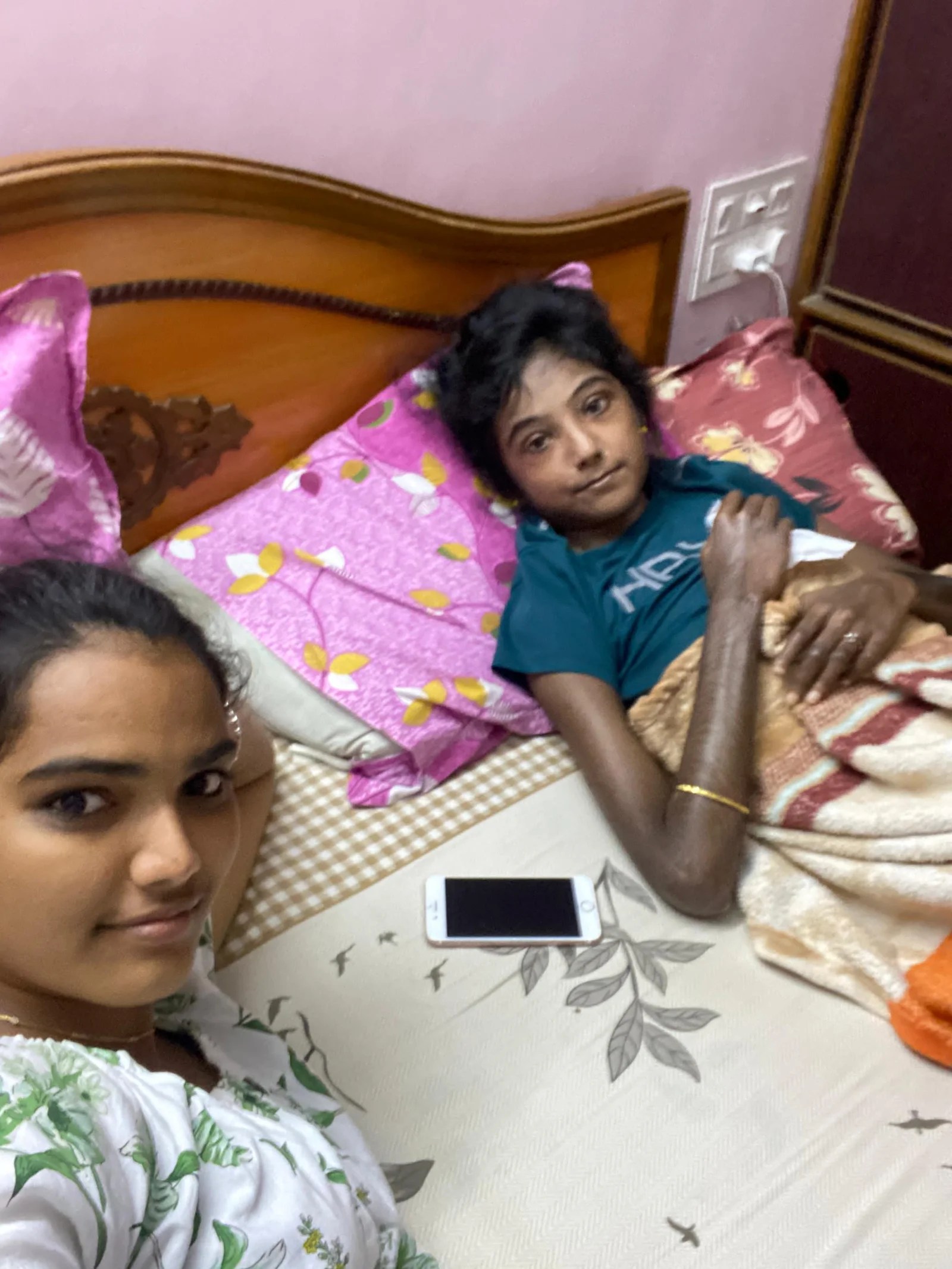
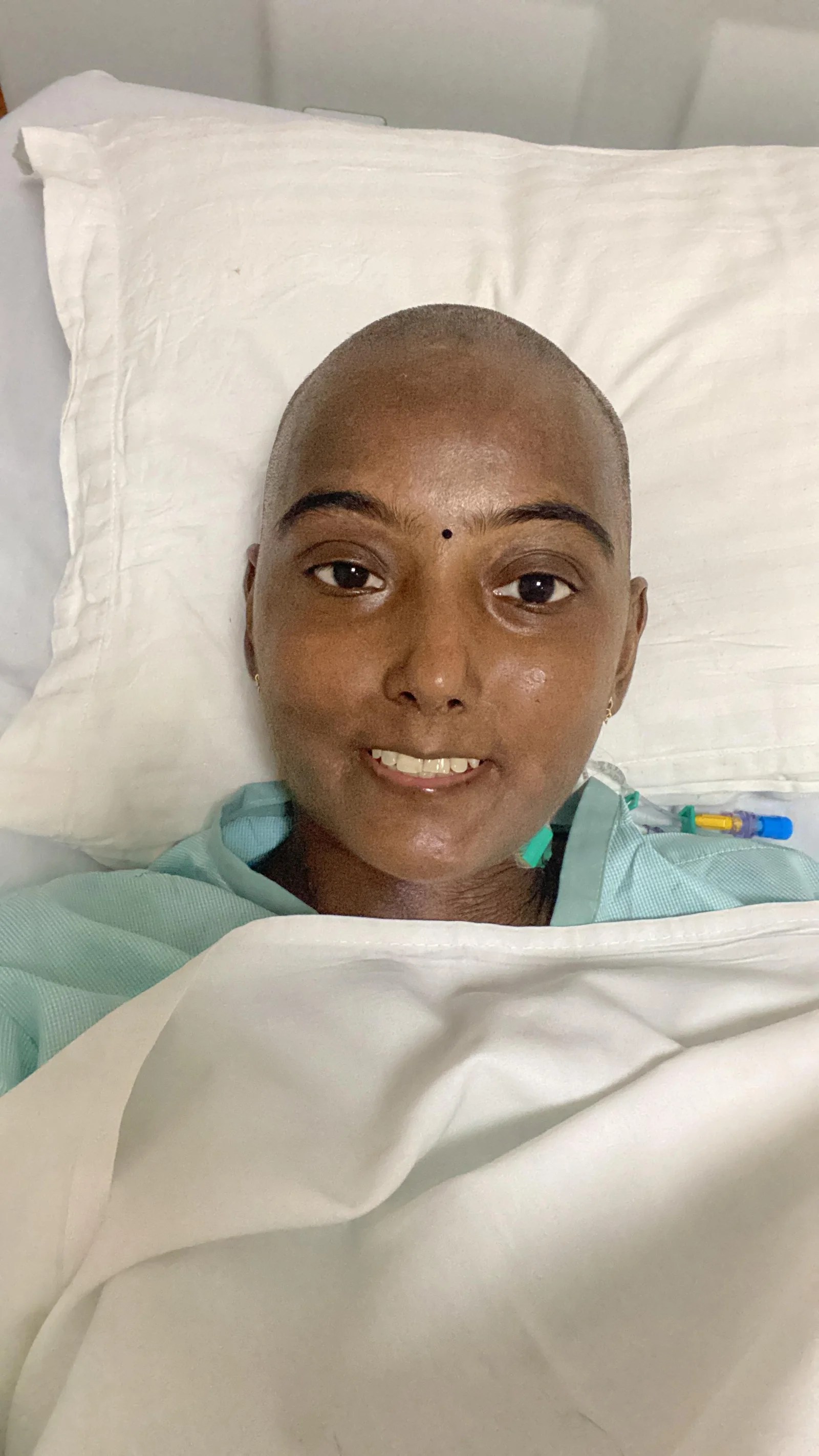
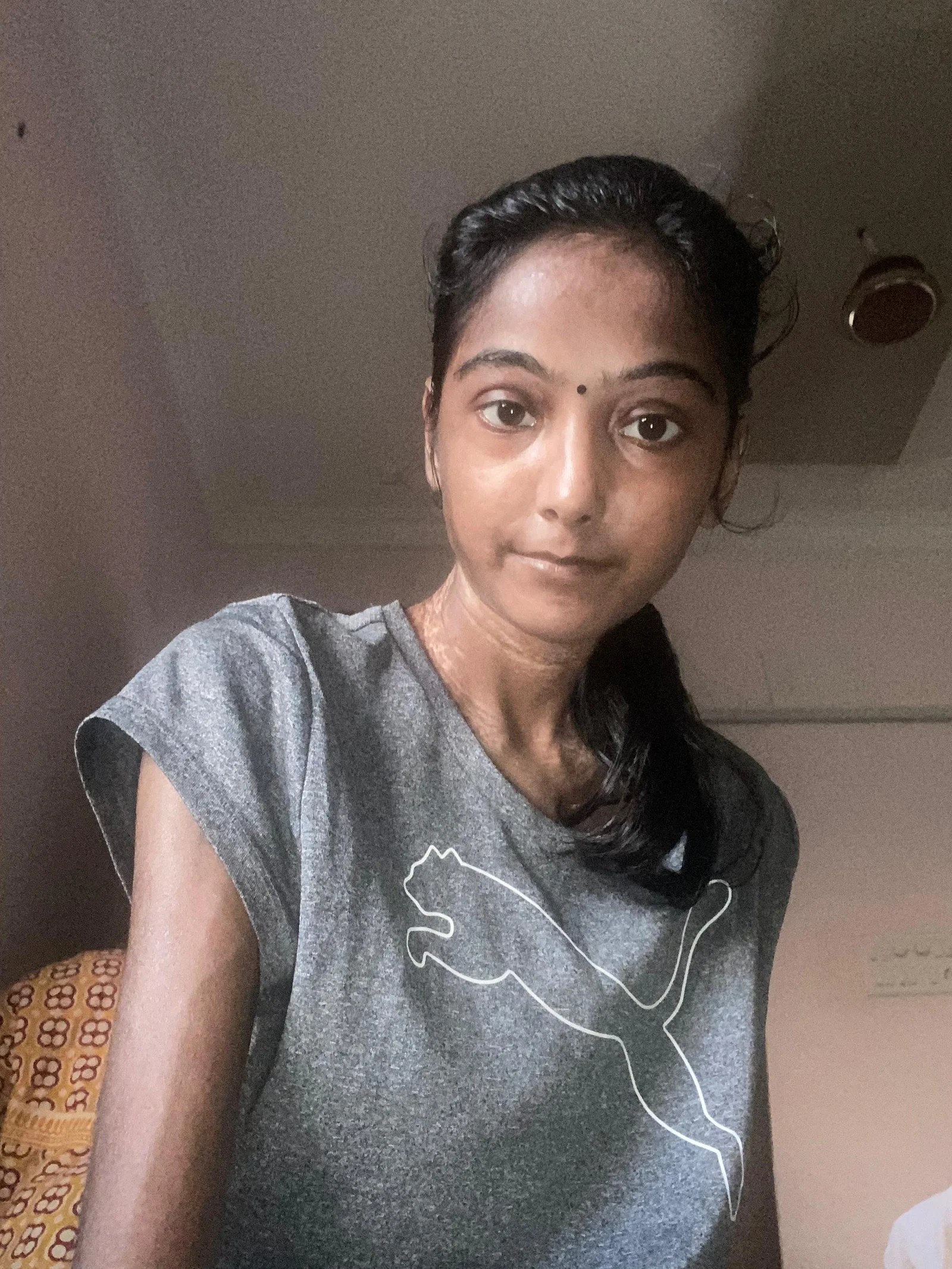

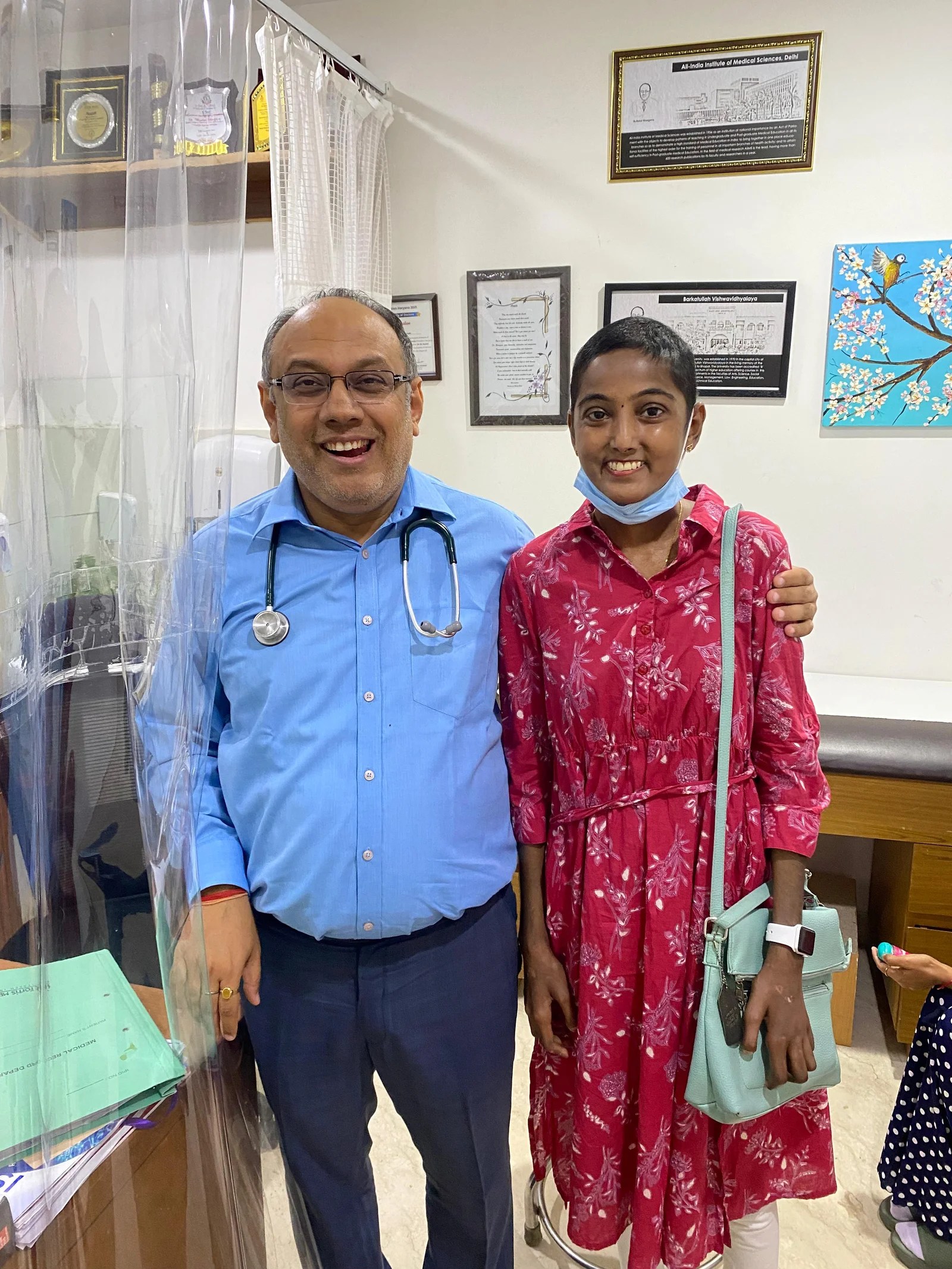
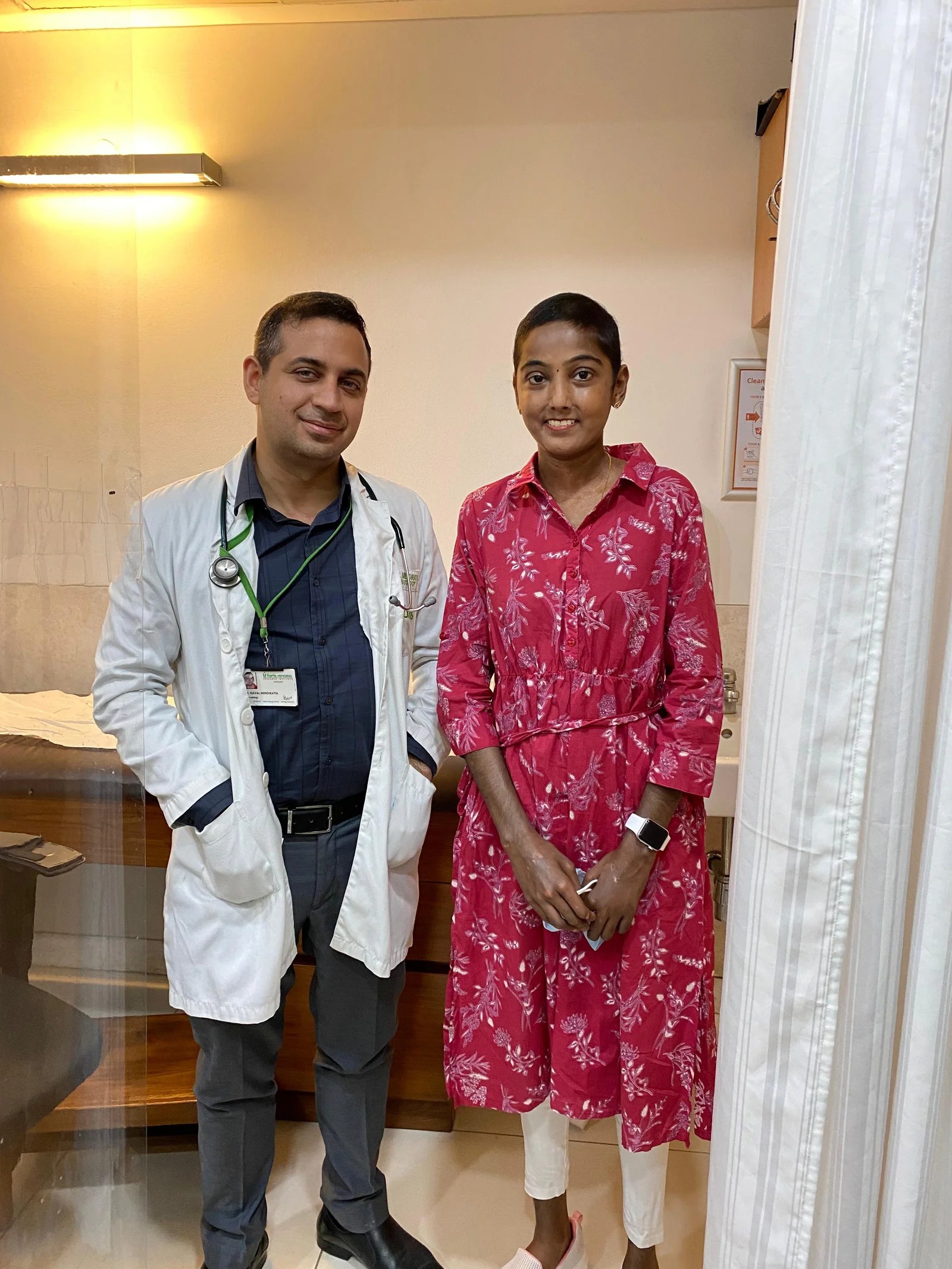
Despite the constant pain, lymph node complications and nerve damage that made even eating a challenge, Gowthami refused to surrender. She completed her PG Diploma in Finance, driven by a determination to remain independent. “As long as I could move a little finger, as long as I could talk, even through the pain – I was going to fight,” she recalls.
Her turning point came through groundbreaking stem cell therapy, the first of its kind in India. “Life is short,” Gowthami says. “If the trial fails, it will take one life – mine; but if it succeeds, it can give hope to many more.”
The treatment involved five days of stem cell injections, followed by three types of chemotherapy and multiple rounds of antivirals, antibacterials and antifungals. The results were remarkable: her white blood cell count increased, pain reduced by 70% within the first week, and gradually, she began walking again.
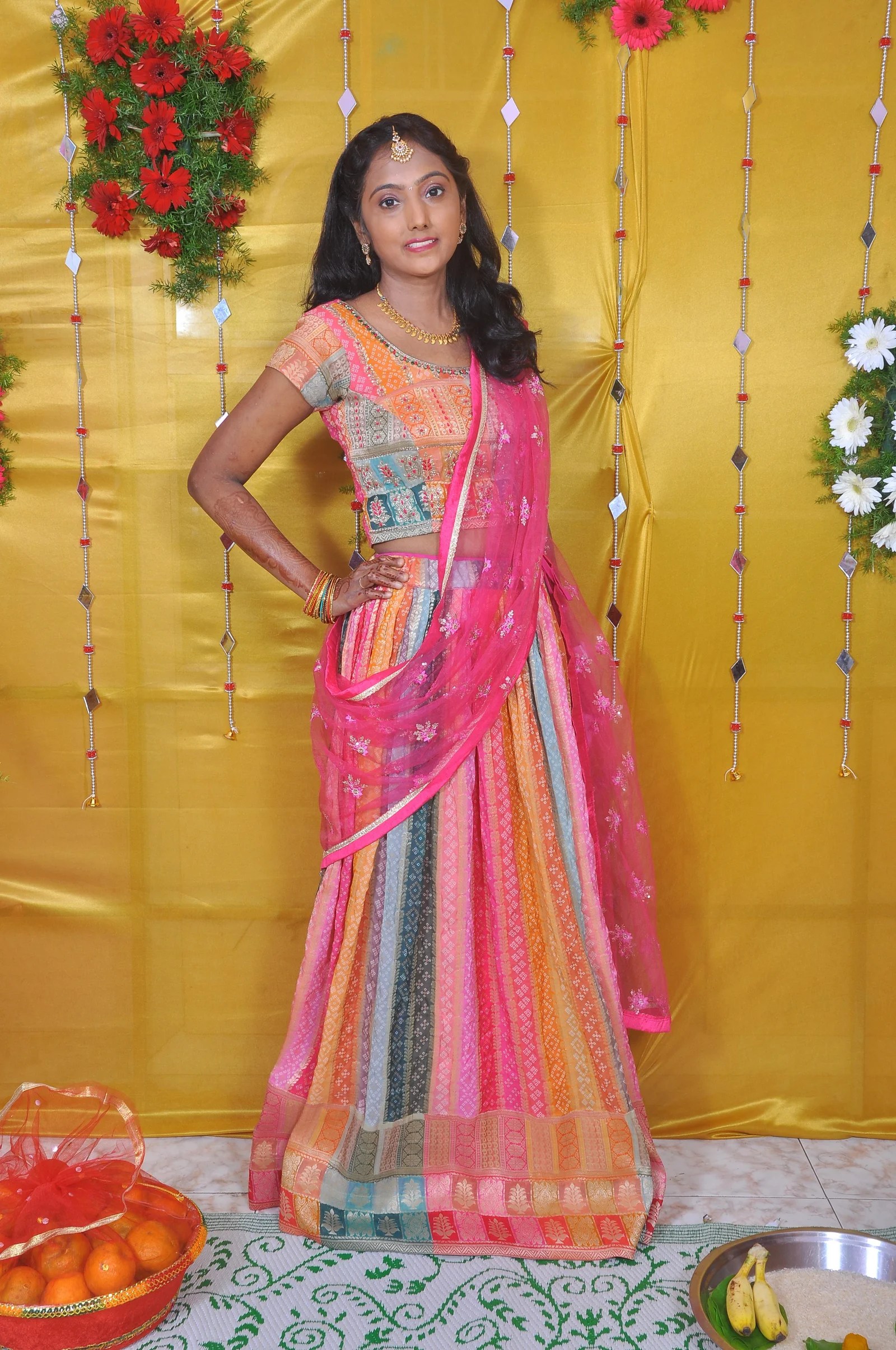
It was during this period of recovery that Gowthami, a friend of Perumal’s IT-professional son Chandru, discovered her mission. Passionate about traditional textiles, she saw an opportunity to merge ancient craftsmanship with modern digital marketing.
Through WhatsApp groups and Instagram, she created a direct bridge between the weavers and customers worldwide. Her online platform showcases not just the saris but also educates buyers about what makes Kancheepuram silk special: the superior quality of silk, the intricate hand-weaving techniques and the remarkable durability that keeps these saris pristine for over 35 years.
“Each motif tells a story,” explains Perumal, “with thousands of threads coming together to create one perfect pattern.” These details, shared through social media, help customers understand the value of their investment.
Today, Gowthami’s initiative has transformed lives. Babu Perumal now lives in a two-storey villa, though the fundamental challenges remain. The weavers face not just economic pressures but also the physical demands of their craft. Each day at the loom requires hours of work, careful attention to intricate patterns, and the strain of working with fine threads in conditions that often take a toll on their health.
Chandru, who spends his weekends preserving his father’s legacy at the loom, acknowledges the uncertain future. “The craft requires years of apprenticeship,” he explains. “How do we convince young people to choose this path when easier options exist?” Furthermore, it cannot be a one-person job. Perumal is assisted by his wife – and as Chandru says, not every young woman is up for this 24×7 job.
As Babu explains, it takes about 15 days to weave one sari, with ample support from his wife, who does the dyeing and helps him at the loom. Yet, their take home for the work is about INR5,000 – they cannot command a higher price for their handcraft because that will inflate the price of the sari, which as it is must account for the silk and the gold/silver used.

That means one month of manual weaving by two people in a home might fetch about INR10,000 while a neighbouring leather factory gives INR18 to 20K for an entry-level employee who has passed just higher secondary.
That begs the question: is the famed Kancheepuram sari tradition quietly moving into oblivion?
Yet, through initiatives like Gowthami’s, there’s a glimmer of hope.
By bridging the gap between time-tested craftsmanship and modern digital commerce, she’s proving that with innovation and determination, even the most challenging obstacles can be overcome, whether they’re personal health battles or the preservation of cultural heritage.
For Gowthami and the weavers of Perungattur, every sari tells two stories: one of sublime artistry passed down through generations, and another of resilience in the face of seemingly insurmountable odds.
To support the weavers and own a genuine Kancheepuram sari, connect with Gowthami at: https://www.instagram.com/kanchipuramweavers/?hl=en