
The world ending in a storm gone crazy or submerging in sharply rising waters – these are not anymore scenes from apocalyptic movies on TV. They could well be visions of the future as imagined by people who are intensely aware of climate change. The impact of a changing and changed climate on the human psyche and behaviour is very real. Anyone who has never felt this could be in denial, or profoundly unaware of both – climate change and mental health.
Yet, hope comes to the rescue of the sinking human heart. And why not – for what could possibly be gained from aiding the world’s end by rejecting even the slivers of hope that show through in personal actions taken, in organised movements or transformative work – not to forget the all powerful act of embracing one’s feelings on the subject.
This is what was offered at Enact Earth Foundation’s carefully designed sharing circle on climate change and mental health at Manotsava 2025 (the National Mental Health Festival held in Bangalore). It opened out a safe and caring space to speak about one’s feelings on how mental health was being dented by the effects of climate change – not as theoretical discussions but sharing of lived realities. Performing artistes, writers, corporate workers, software engineers, entrepreneurs, activists and social scientists – among others, sat together to explore this nuanced subject.

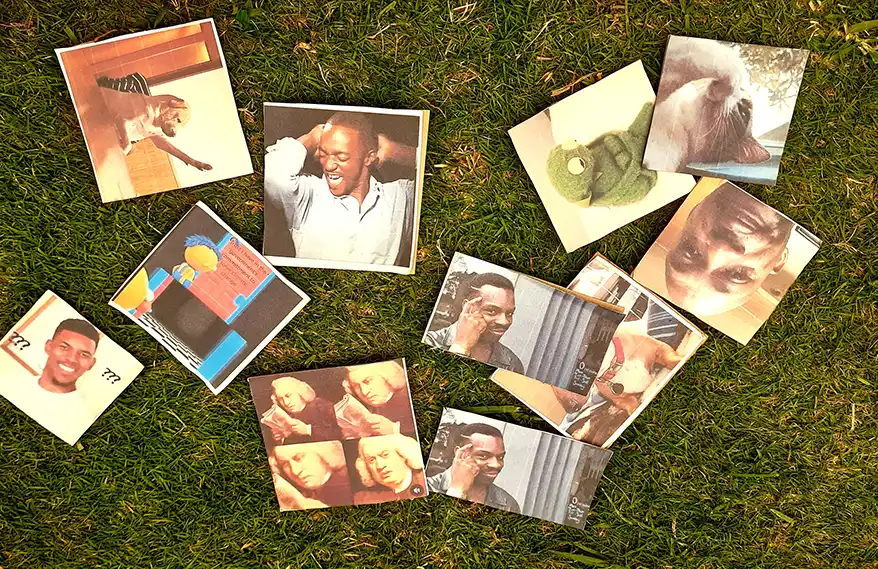
“How we feel and how we heal” were the two aspects covered in group discussions facilitated by Enact Earth’s team members. Using pictorial tools and activities, the facilitators enabled participants to express themselves on a subject that is not discussed frequently or widely.
Space was amply created to acknowledge that not every feeling on this subject can be named – it needs processing. Besides opening a safe space for that, the sharing circle also nudged participants to reflect on wonder and beauty in one’s surroundings. This allowed for grounding feelings and the expression of joy despite all the evidence of serious threat.
“How can we be ok when the world is not ok?” a participant asked. Another pointed out how trees sprout from their stumps even after they’ve been felled. “I can’t talk about climate change with my family,” shared another participant. The different ways in which each participant saw the earth’s changing climate and landscape; their observations on the impact of those changes in their lives – all of this was drawn out in the sharing circle.
Shivkumar H, entrepreneur and co-founder of B-Moat (a studio that helps climate and sustainability startups tell their stories), says he was “quick to sign up” for this sharing circle “because mental health and behavioural change for climate action are a passion.”

“Mental health and behavioural change for climate action are a passion.”
– Shivkumar H, co-founder, B-Moat
Speaking about how he got to the place of caring deeply about climate change, he says, “Coming from an agricultural background, when I saw my family and my grandparents’ peers moving away from farming because of uncertainties in the weather, the heat and land ownership issues caused by government actions – the impact of climate change started to hit home close. I felt overwhelmed and started seeing the future in a spiraling light.”
To cope with that, he dived in “head first – read a few books, watched a lot of documentaries and convened gatherings of friends and family” to reflect on what they could do as a group. He also tried building products including an “AI insurance product to address insurance claims caused by climate disasters.”
It was only when he started re-educating himself through courses on various aspects of this issue that he felt more supported and aware that this subject is not easy to talk about over dinner or at a gathering. “I think for those in the climate space, it feels like fighting a losing battle. This is a heavy emotion to feel day in and day out. I haven’t found a way out but I know I want to be committed to the climate space.” This helps him process his “emotions and plan actions every now and then,” he says.

Excerising, listening to music, playing the guitar, going for a trek or just reaching out to family and friends brings him solace. Getting an education on the subject is also very helpful, he adds.
Environmental Melancholia, Climate Grief, Eco-Anxiety, Solastalgia – just some of the terms I looked up as I mulled over the ways in which our mental health is being influenced by climate change. Enact Earth’s sharing circle at Manotasava thus became a starting point to join the dots between mental health and climate change.
(Pic of Shivkumar, courtesy LinkedIn)
(Read an exclusive interview with Hemavathi S Shekhar, founder of Enact Earth here)

Charumathi Supraja is a journalist, writer and poet based in Bangalore, India. She created the Treevellers’ Katte – a holding space for people’s tree stories and tree memories around 2016. You can read more about her work with trees on her blog.




Leave a Reply