
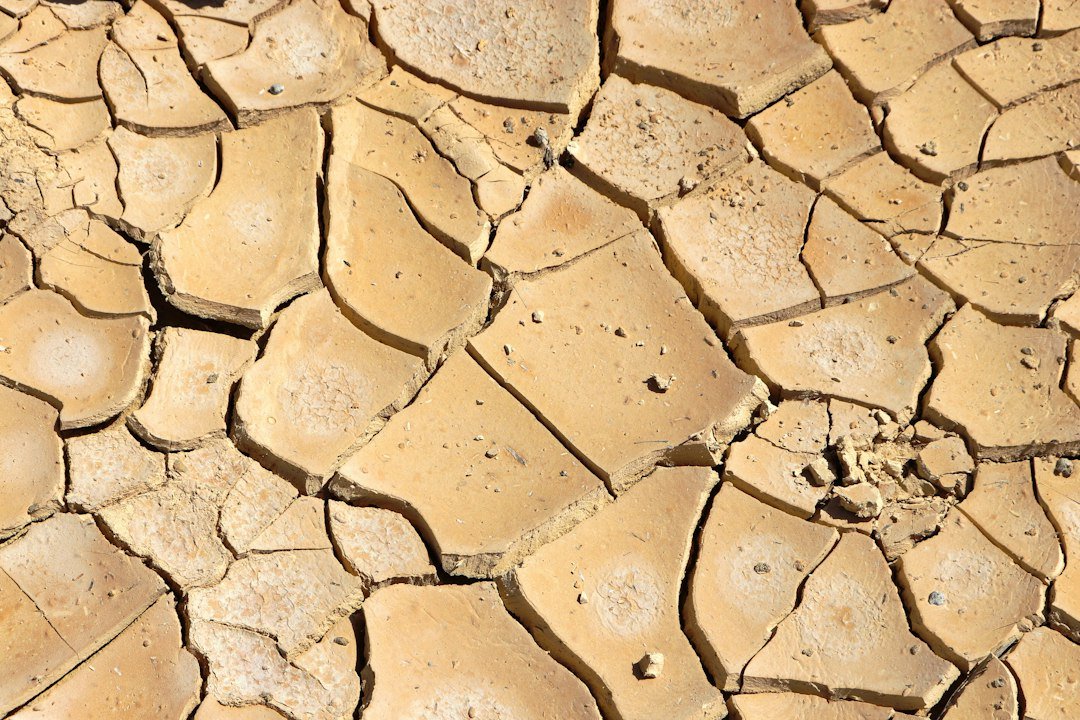
Roughly six in ten farming families across Central America’s dry corridor can no longer meet their basic food needs, according to humanitarian assessments cited by aid agencies tracking the region’s intensifying El Niño weather pattern. The dry corridor, a drought-prone belt running through parts of Guatemala, Honduras, El Salvador and Nicaragua, has suffered repeated seasons of failed or reduced harvests over the past decade, but aid workers say this year’s El Niño has pushed conditions beyond what many households can absorb.
Oxfam warned as early as August that El Niño was driving mass crop failures and a deepening food crisis across the region, a warning subsequent reporting has borne out through the harvest season. Reports from Guatemala and Honduras describe cattle deaths from lack of pasture and water, alongside maize and bean losses that are the staple crops most dry corridor households depend on for both subsistence and income, leaving little margin for families who were already living close to the edge before this year’s rains failed.
A crisis with no single trigger
Unlike acute shocks such as a single storm or flood, the dry corridor’s crisis has built cumulatively across several poor rainy seasons, leaving households with depleted savings, livestock and seed stocks even before this year’s El Niño-driven dry spell began. Families that might have weathered one bad season have had no buffer left for a second or third, aid workers say, a pattern that has pushed coping strategies toward more drastic measures, including skipping meals, selling remaining livestock and, in some areas, migration toward cities or across borders in search of work that no longer exists on the family plot.

The European Commission’s Joint Research Centre has separately warned that this year’s El Niño is driving crop failure simultaneously in Central America and East Africa, while threatening the coming season in southern Africa, East Africa, western South America and Southeast Asia, underscoring how the same climate pattern is straining food systems across multiple continents at once rather than being confined to any single region or hemisphere.
Governments seek aid as budgets tighten elsewhere
Guatemala’s government has acknowledged dry corridor maize losses leaving millions facing food insecurity, and has sought increased humanitarian access and support from international donors, though funding for the region has not kept pace with need as aid budgets globally face competing demands from other crises, including conflicts that have drawn donor attention and funding away from slower-moving climate emergencies. Honduras has reported comparable losses concentrated in its own southern and western departments, where subsistence maize and bean farming dominates rural livelihoods and few households have access to irrigation as a buffer against failed rains.
The crisis sits alongside a separate but related economic pressure further south, where Costa Rica’s coffee growers have seen export income fall sharply this year, though for currency rather than weather reasons, illustrating how Central American agriculture is being squeezed from multiple directions simultaneously even within a single, relatively small region.
Aid agencies have called for expanded emergency food assistance and cash transfers to dry corridor households through the remainder of the harvest season, warning that without expanded support, the region risks entering next year’s planting season with even less capacity to recover than it had entering this one, deepening a cycle that has already spanned several consecutive years of hardship.
El Salvador and Nicaragua have reported smaller but still significant losses in the same staple crops, with both governments pointing to irrigation investment and drought-tolerant seed varieties as medium-term fixes that will take years to reach enough farms to materially change the region’s exposure to the next poor rainy season. For now, aid agencies say, the dry corridor’s roughly 10.5 million rural residents face a harvest that will likely fall well short of what their households and local markets need to get through to next year’s planting.



