
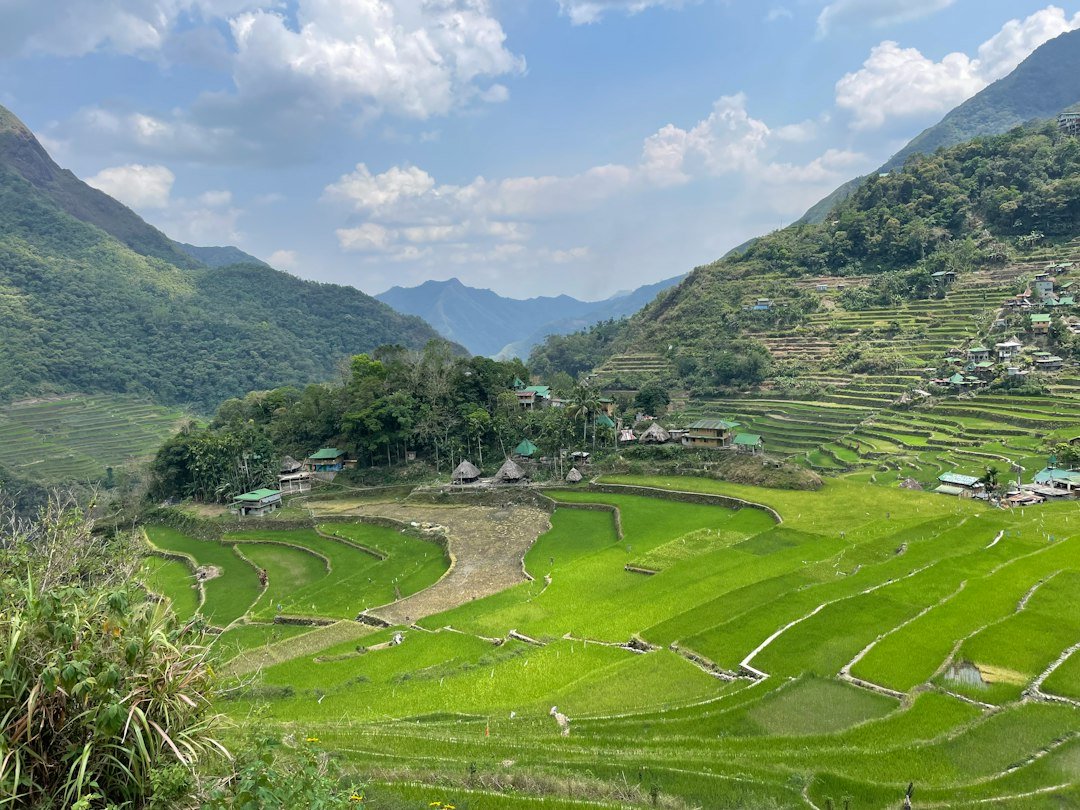
A Philippine rice variety known locally as Dinorado has won bronze at the 2026 International World Rice Conference, the country’s best finish yet in a competition long dominated by Thailand and Vietnam. The entry, NSIC Rc218, also marketed as Mabango 3, placed third behind Myanmar’s Paw San Gold and Vietnam’s ST25.
Judges held the contest on 7-9 October at the Dusit Thani hotel in Makati City, Context.ph reported. A chef panel nicknamed the “Lords of Rice” scored each entry double-blind on aroma, cooked texture, grain quality and overall eating experience, without knowing which country had submitted which sample.
How a Dinorado-type rice made the podium
NSIC Rc218 was bred by the Philippine Rice Research Institute and nominated for the contest by the Philippine Rice Industry Stakeholders Movement, a grower-led group known as PRISM. Movement convenor Rowena Sadicon led the push to enter a variety that had circulated among Filipino farmers for years without the international recognition rivals had already secured.
The Department of Agriculture and the Masagana Rice Industry Development Programme backed the submission, and PhilRice breeders Thelma Padolina and Emily Arocena travelled with the delegation to Makati City. Daily Tribune, the only outlet to name the winning variety directly, reported the bronze result on 12 October.
India and Thailand received special honourable mentions, a reminder that the contest’s field runs well beyond the three medallists. Myanmar’s win was its first at the top of the rankings, according to Context.ph, which covers Philippine business and agriculture news independently of Daily Tribune’s report.
The Philippines had placed no higher than silver at the same contest in 2025, when a related PhilRice variety took second. Climbing onto the podium again a year later, even one rung lower, is being read in Manila as evidence that the breeding programme behind these entries is producing consistent results rather than a single lucky harvest.
A cautious welcome from Manila
Agriculture Secretary Francisco Tiu Laurel Jr said the bronze showed Philippine rice “can compete with the best in the world,” a line officials have reached for before without it changing farmgate economics much. His department was careful to frame the win narrowly: a medal, officials said, does not by itself raise the price millers pay farmers or make rice more affordable for Filipino households.
That caution reflects a familiar gap in rice-exporting and rice-importing nations alike. Quality recognition abroad rarely translates quickly into income at home, where logistics, milling capacity and domestic demand set prices more than international acclaim does. Dinorado-type rice already commands a premium in Philippine markets for its fragrance, but that premium has not historically extended to export volumes competing with Thai jasmine or Vietnamese fragrant rice.
What the result signals for breeding programmes
PhilRice has spent years developing aromatic varieties intended to rival those two established export leaders, and this result is the clearest external validation the programme has received. Whether the recognition shifts procurement decisions by international buyers, or simply becomes a marketing line for domestic sales, will depend on follow-through from both government and the private millers who handle most of the crop’s path to market.
The result lands as heritage and aromatic rice varieties draw fresh attention elsewhere in Asia. Kerala’s own conservators have spent decades keeping traditional rice lines alive without formal competitions to validate the work, a reminder that medals are only one measure of what a rice variety is worth to the farmers who grow it.
For PRISM and PhilRice, the immediate task is less glamorous than a podium finish: turning one well-judged tasting in Makati City into sustained demand for a variety most of the world had never heard of before this October.



