
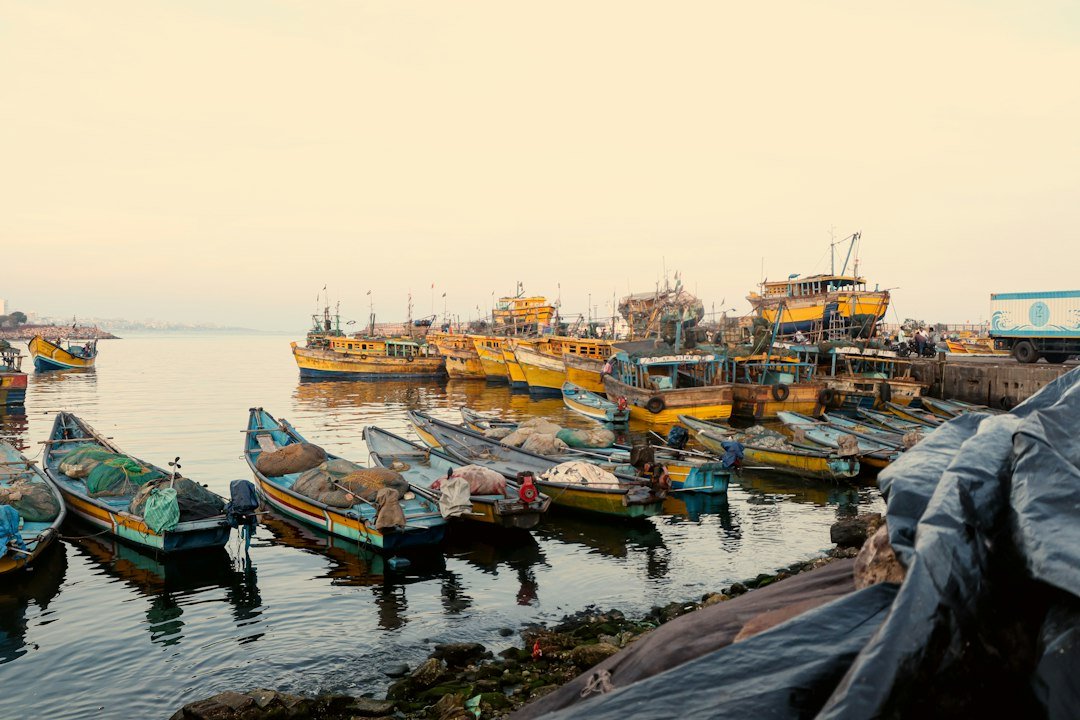
Kerala’s government has introduced the Kerala Maritime Board (Amendment) Bill, 2026, in the state assembly. The bill proposes a restructured board chaired by the Chief Minister. It also creates a new State Maritime Land Bank for port-linked logistics projects, and allows public-private port concessions running up to 45 years.
The bill follows the dissolution of the previous Maritime Board in July 2026. Administrative and financial irregularities had come to light, according to The Week and the trade publication Maritime Gateway. Putting the Chief Minister at the helm of the reconstituted board is a deliberate signal. It shows the state government wants direct oversight of a sector it has flagged as central to reviving its seafood trade.
Ports as the missing link for seafood exports
The legislation ties directly into Mission Samudra, Kerala’s stated goal of rebuilding its seafood export competitiveness. That competitiveness has slipped over the past decade. Processing hubs in Gujarat and Andhra Pradesh now offer faster port turnaround and newer logistics infrastructure. Kerala’s exporters have long argued that ageing port facilities, not a shortage of fish or shrimp, are the real constraint on growth.

The proposed State Maritime Land Bank would pool land earmarked for port-linked logistics into a single inventory. That covers everything from cold storage to processing units. Officials could then offer sites to private investors rather than negotiating case by case. Longer concession periods, up to 45 years under the bill, are meant to make large infrastructure investment more attractive. Private operators need decades, not years, to recover capital costs on port facilities.
A regional pattern in seafood infrastructure
Kerala is not alone in treating port and cold-chain infrastructure as the bottleneck holding back seafood trade. Bangladesh’s commerce ministry is pushing shrimp exporters toward digital traceability and eco-friendly certification to reach premium markets. That is a different lever aimed at the same underlying problem. South Asian seafood producers often have the raw product. What they lack is the export-grade infrastructure and certification that buyers in Europe, the Gulf and East Asia increasingly demand.
For Kerala specifically, port modernisation carries weight beyond exports too. The state’s coastal economy supports hundreds of thousands of fishing households. Researchers have linked ageing harbour infrastructure to higher post-harvest losses, since fish and shrimp that sit too long before processing lose both value and shelf life. A better-run port system could, in principle, reduce those losses even before any new export deal is signed.
The bill has not yet been debated in full or passed. The assembly session will determine the exact composition of the new board and the specific terms of the proposed 45-year concessions. Opposition members have previously criticised the government’s handling of the Maritime Board’s dissolution. Similar scrutiny is expected during debate on the amendment.
Government officials have not given a date for when the land bank would become operational if the bill passes. Nor have they named specific ports earmarked for early investment under the new concession terms. Industry groups in Kochi, where much of Kerala’s seafood processing capacity is concentrated, say they are watching the bill’s passage closely. Its success or failure will shape whether Mission Samudra’s export targets are realistic or merely aspirational.
Long concession periods of the kind the bill proposes typically favour operators with the capital to bid for and build out large port-linked facilities. That raises an open question for Kerala’s smaller-scale fishing and processing operators, who make up a significant share of the coastal economy the bill is meant to help. Nothing in the bill as introduced specifies protections for smaller players against being squeezed out by larger concession holders once the land bank begins allocating sites.



